ROBOTICS
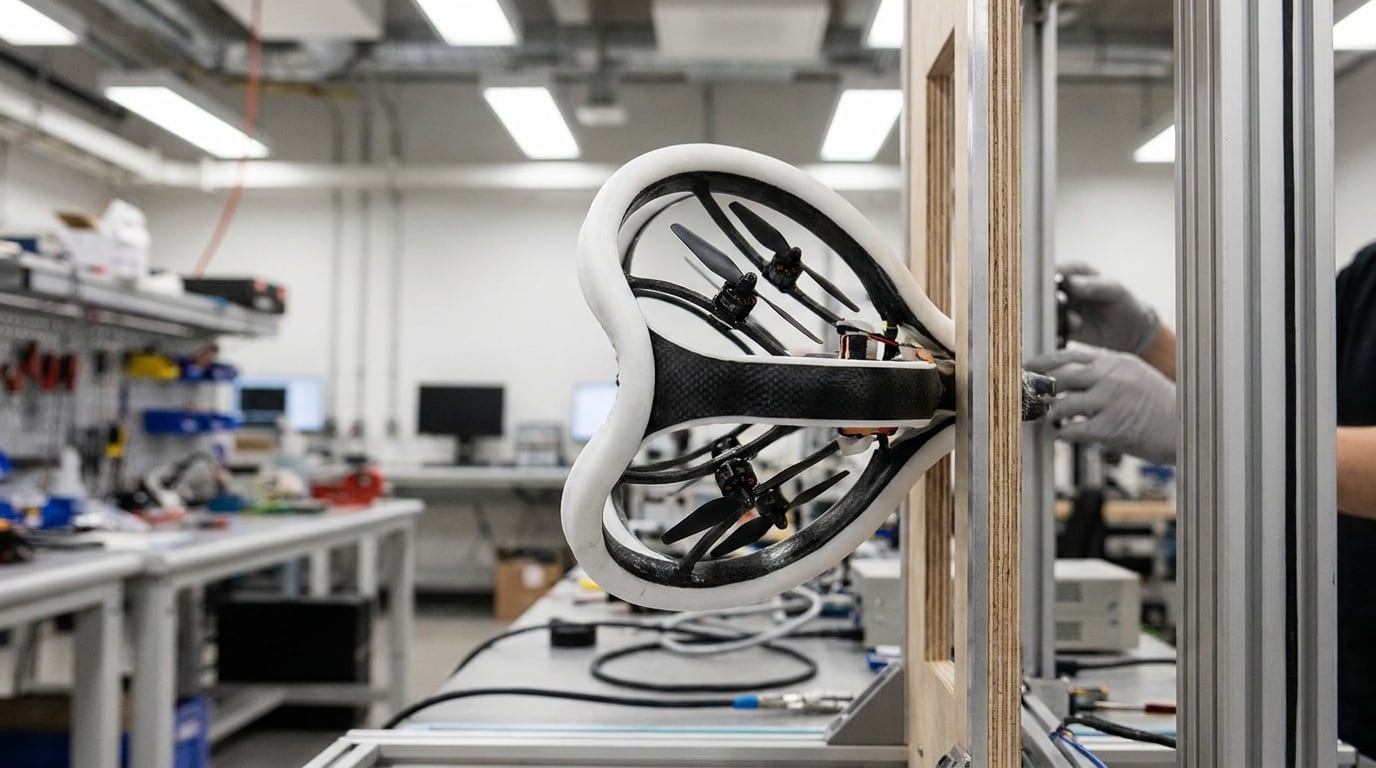
The 405 g prototype survived frontal impacts at up to 18 km/h without damage, squeezed through a 180 mm opening and lifted a payload heavier than itself.
Engineer Paper Desk · 22 Nov 2026
COMPUTING
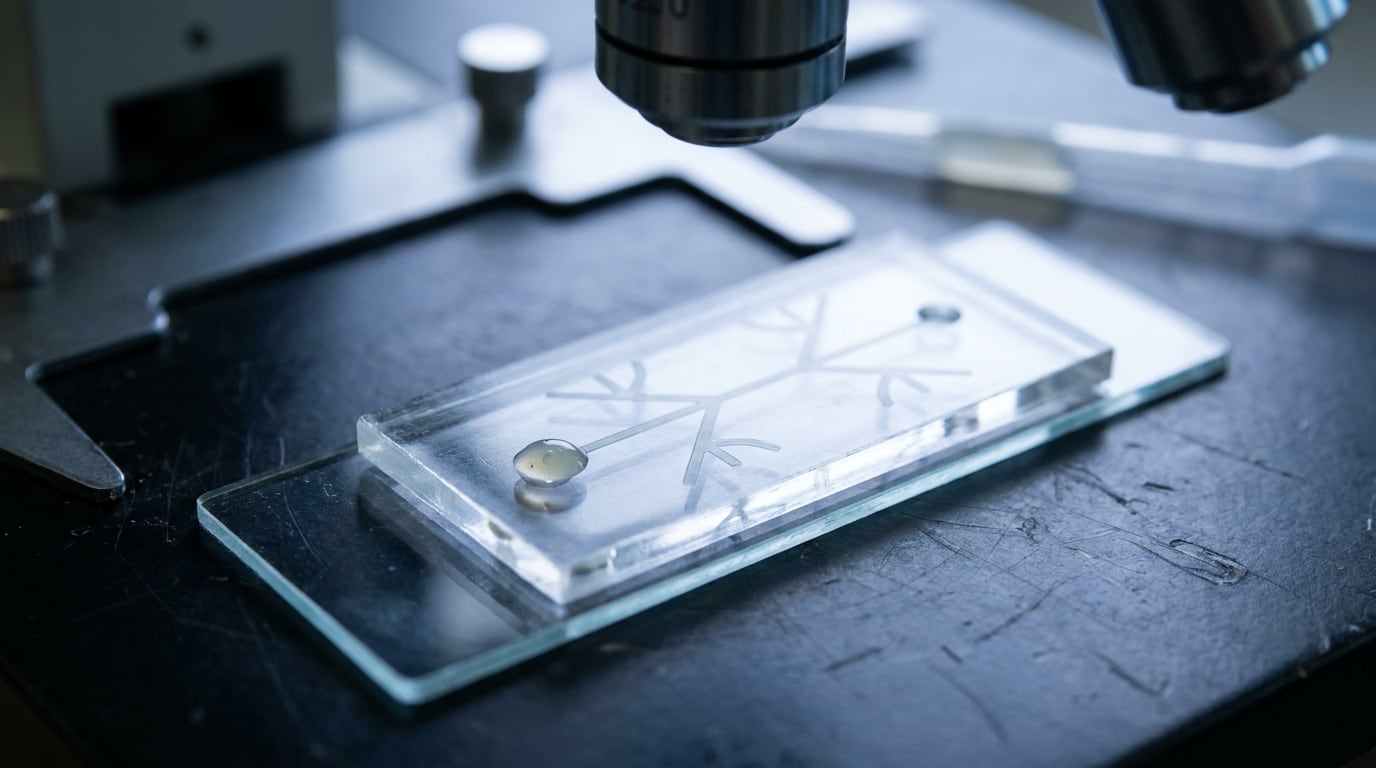
The experimental chip solved subset-sum problems with up to seven numbers; E. coli took wrong turns at 1.3 % of pass-through junctions, Vibrio natriegens at 0.3 %.
Engineer Paper Desk · 22 Nov 2026
MEDICAL DEVICES
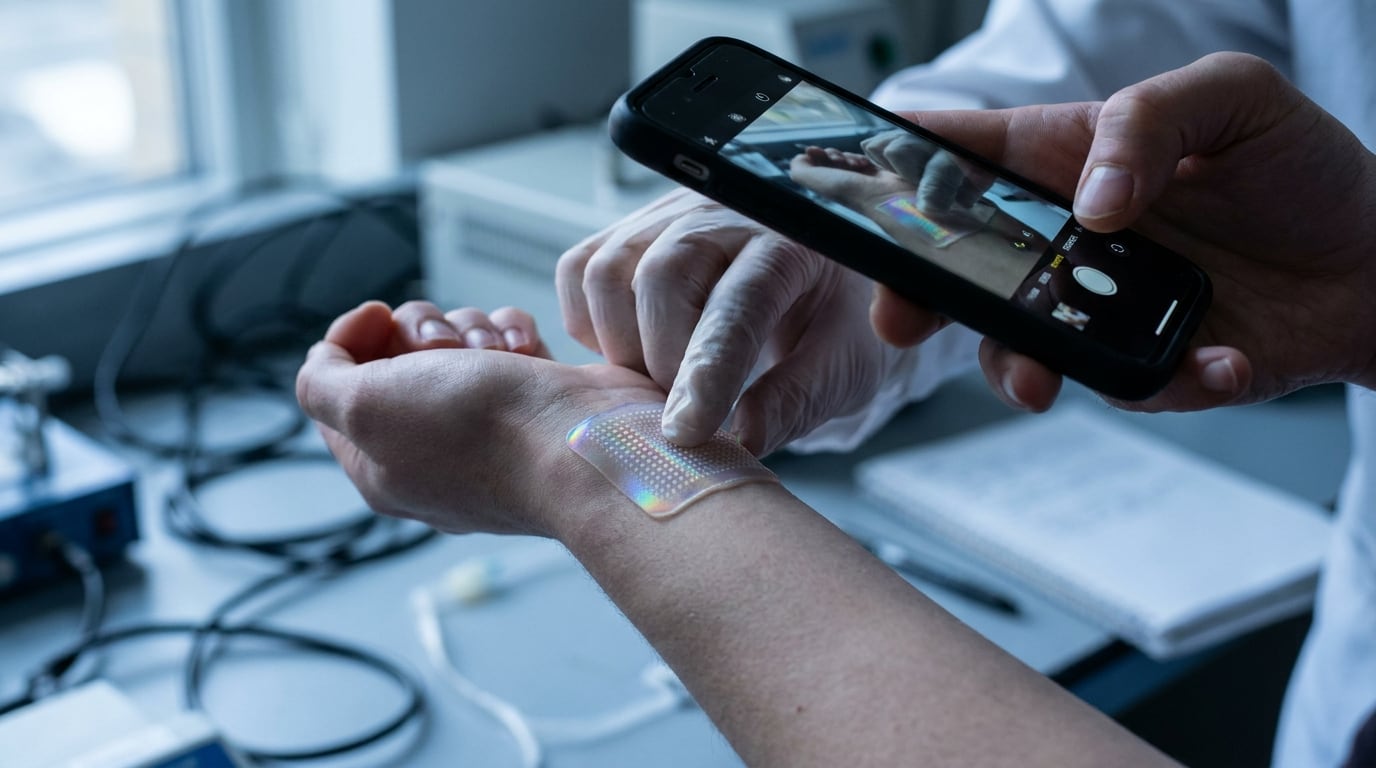
The battery-free PDMS patch, read by an ordinary smartphone camera, matched clinical pulse waveforms with a mean correlation of 0.94 in tests on 13 seated volunteers.
Engineer Paper Desk · 21 Nov 2026
MATERIALS
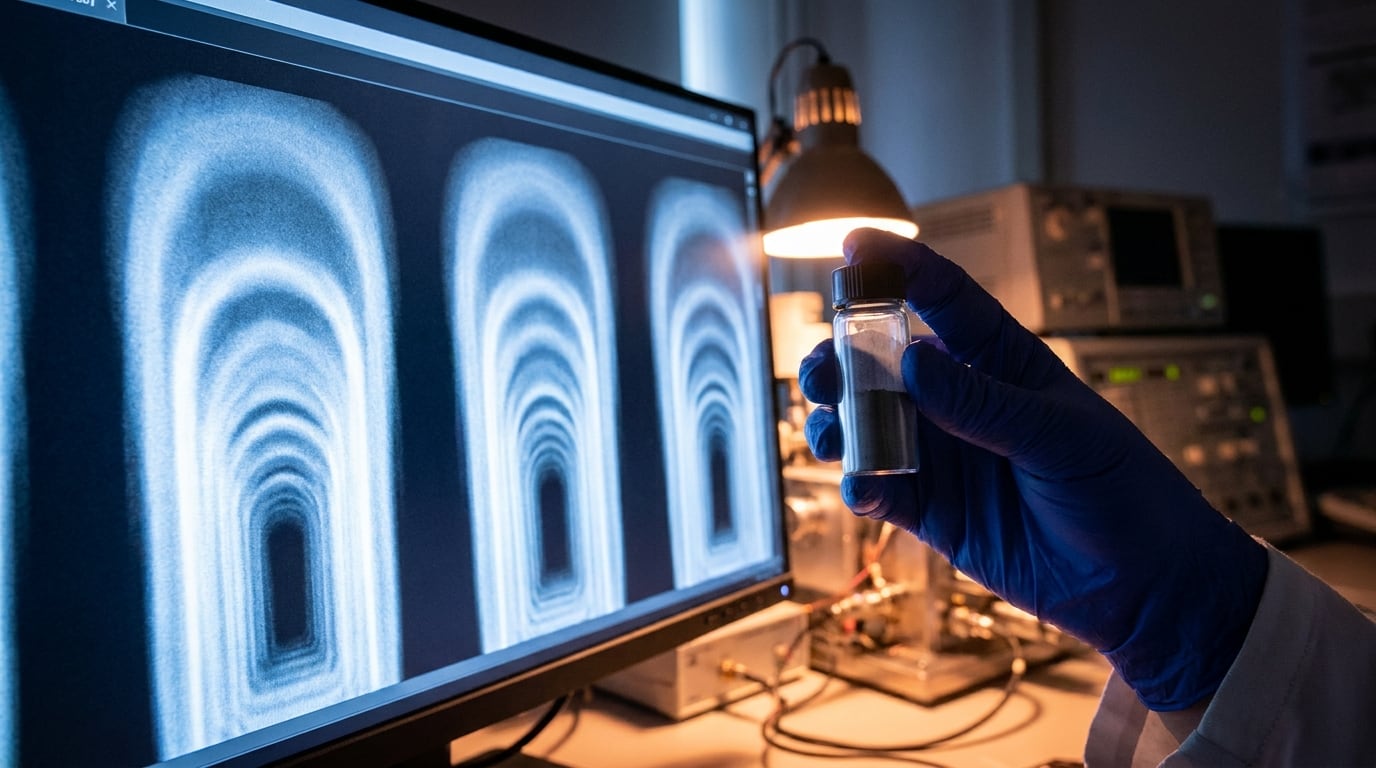
In hollandite-type manganese dioxide, sodium filled tunnel centres evenly, magnesium clustered near particle surfaces and calcium barely entered the tunnels, the researchers report.
Engineer Paper Desk · 21 Nov 2026
SOLAR
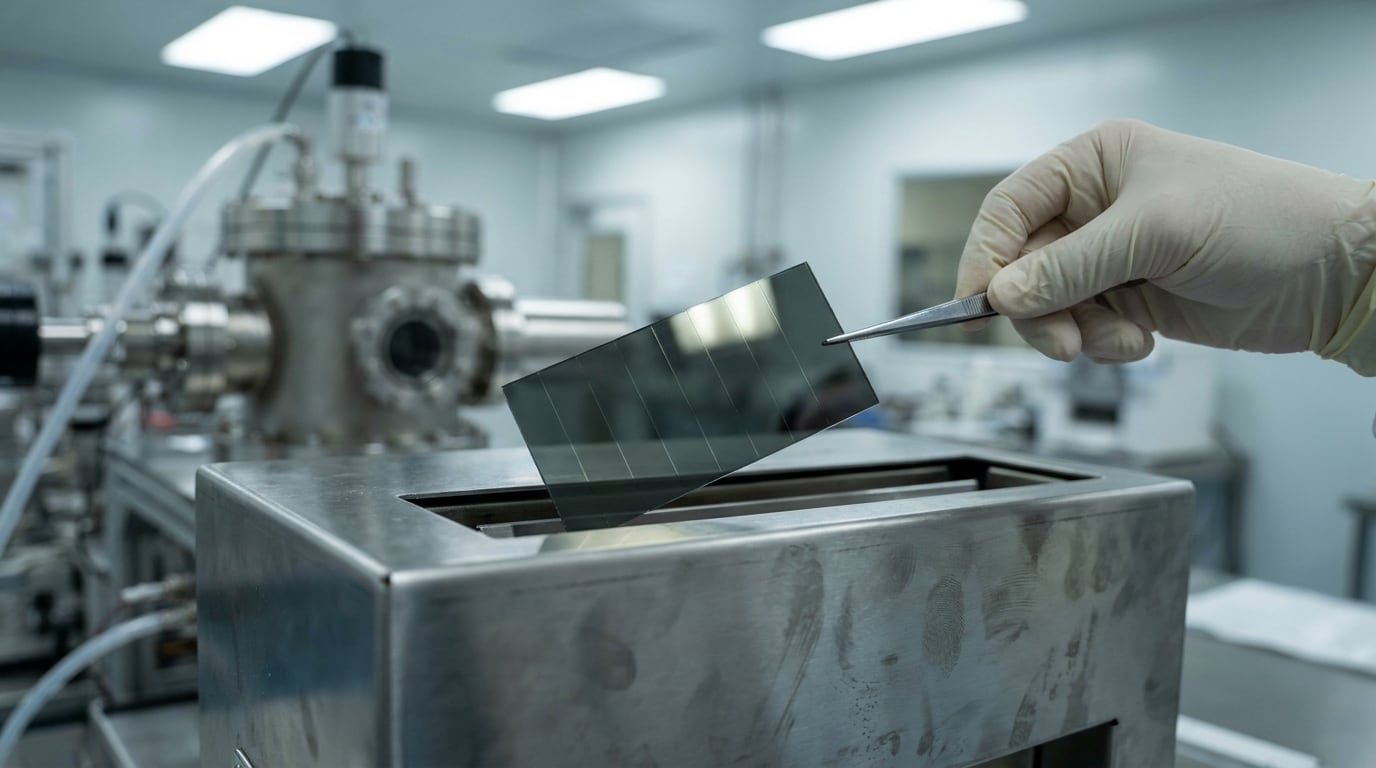
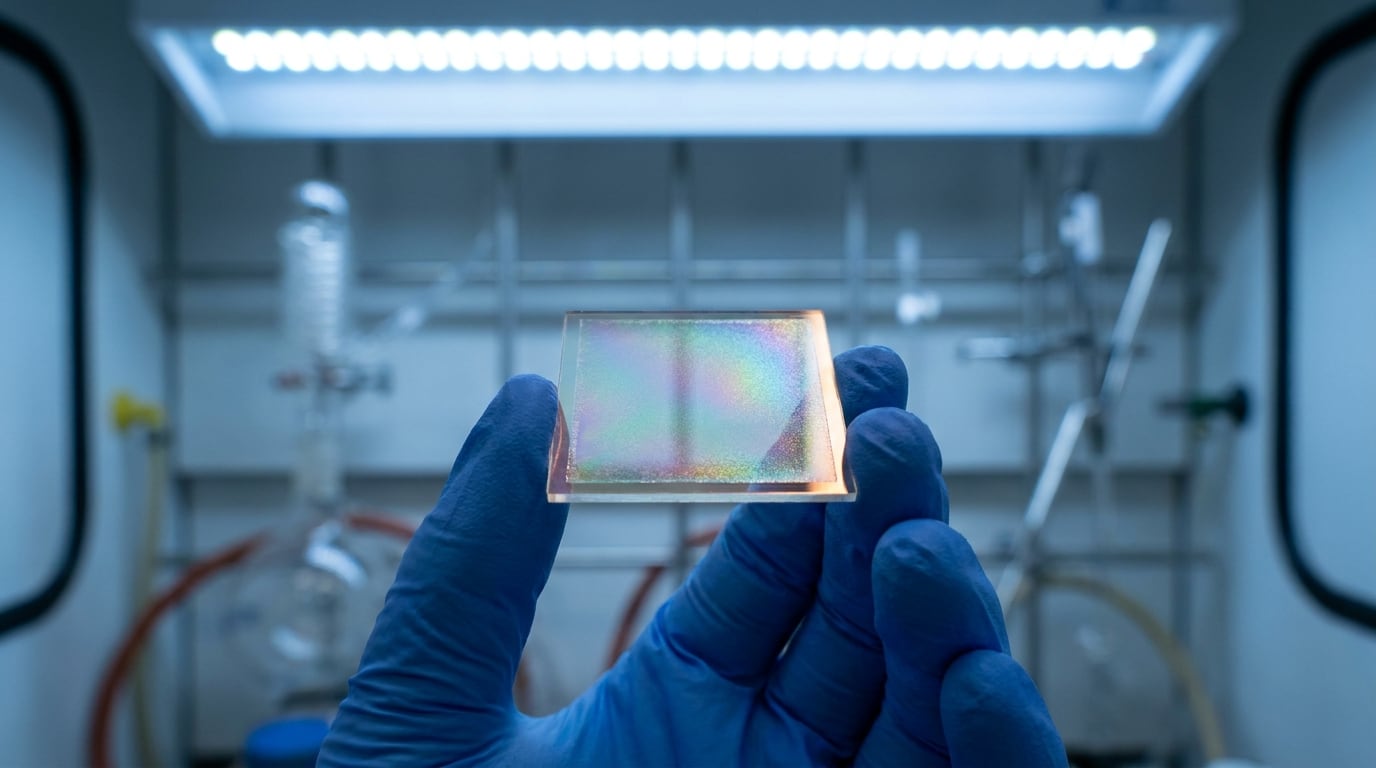
The National PV Industry Measurement and Testing Center certified the steady-state result. The team says cooling the wet precursor film before vacuum treatment reduced fill factor losses.
Engineer Paper Desk · 20 Nov 2026
SOLAR
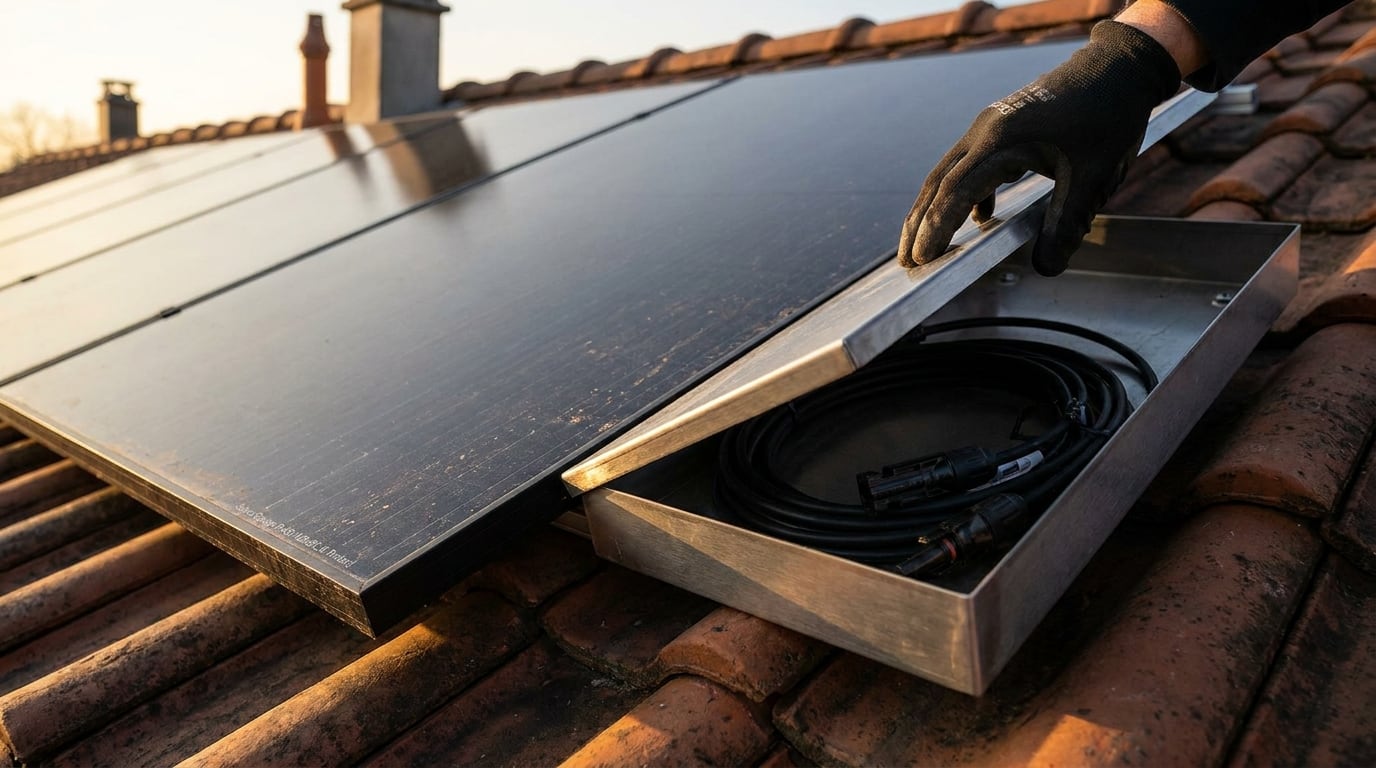
The German manufacturer says the glass-glass panel reaches 23.8% efficiency and is its first commercial module with integrated protection against animal bites on its connection cables.
Engineer Paper Desk · 20 Nov 2026
ENERGY
Longi's Hi-MO X10 Full-Screen module reaches a 98.58% front-side light-receiving area ratio and 680 W maximum front-side power, the company says.
Engineer Paper Desk · 19 Nov 2026
SOLAR
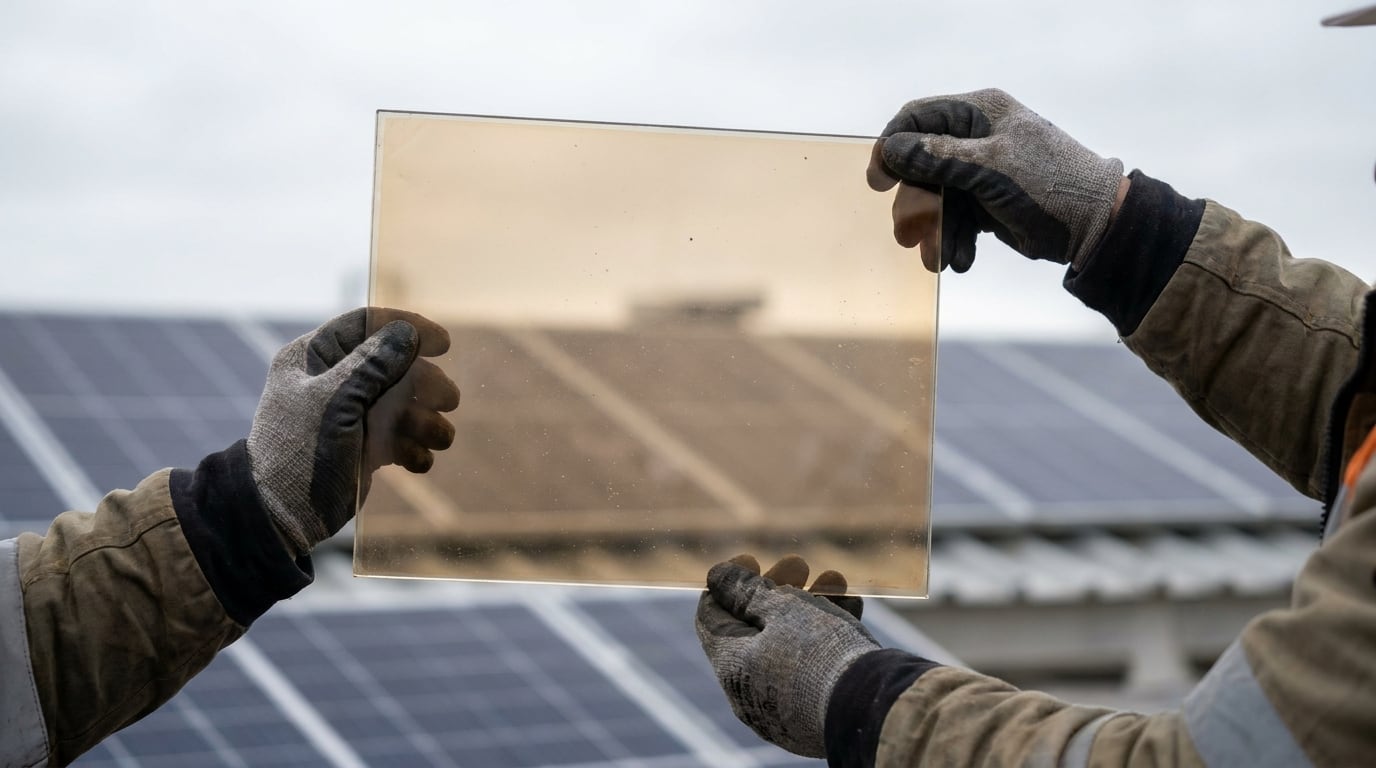
The HybridTandem module uses Caelux's Energy Producing Glass and is rated at 525 W DC in the same footprint as Sirius PV's existing 450 W residential modules.
Engineer Paper Desk · 19 Nov 2026
ENERGY
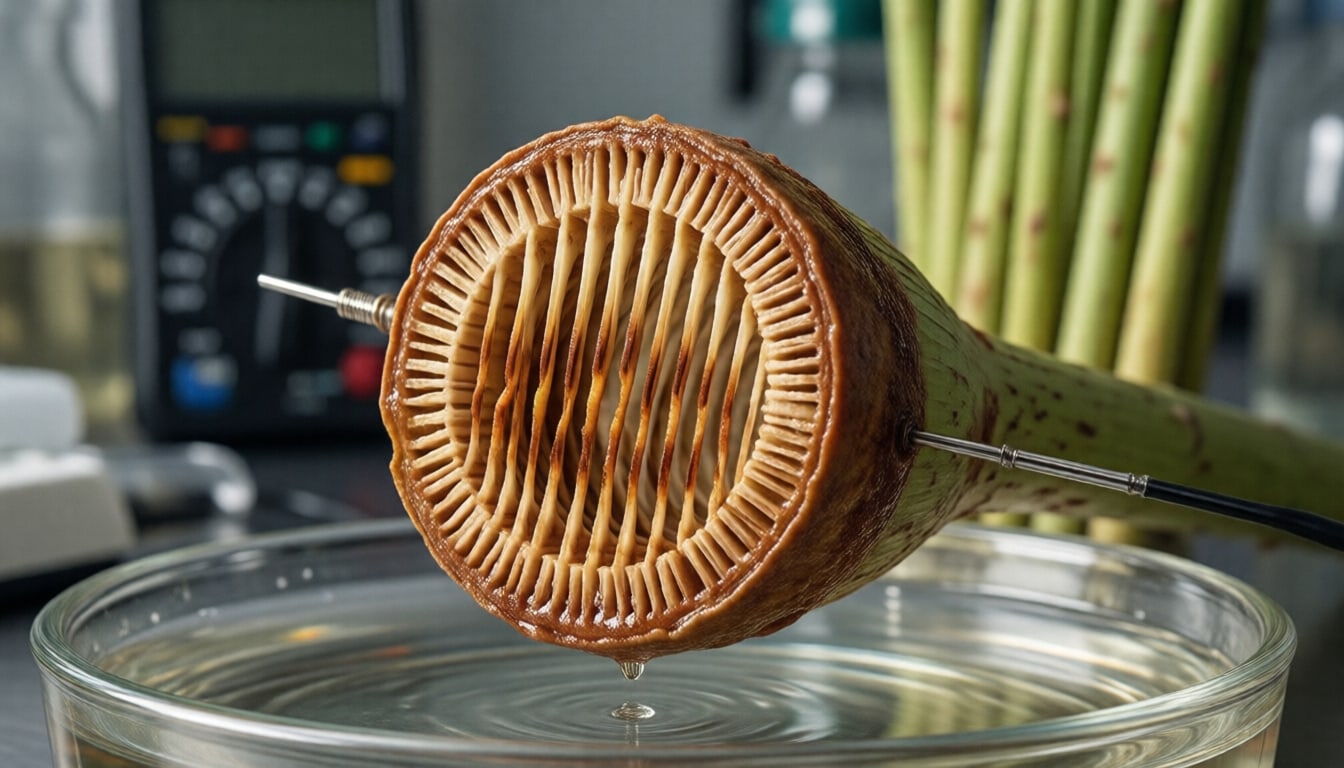
A device combining lotus-stem channels and Geobacter sulfurreducens biofilm reached 63 microwatts per square centimetre and 1.48 volts open circuit, powering small electronics in lab tests.
Engineer Paper Desk · 18 Nov 2026
MATERIALS
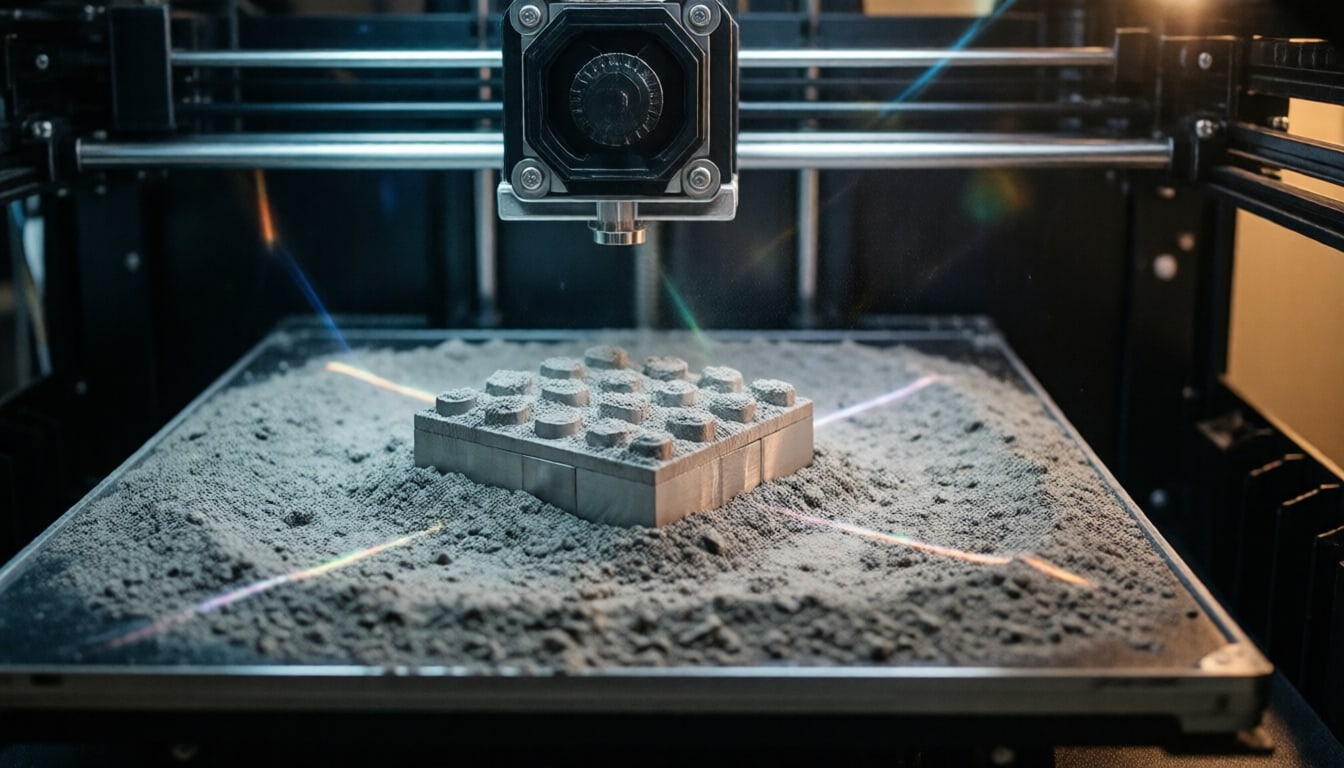
Laser powder bed fusion sintered Lunar Highlands Regolith Simulant into centimetre-scale Lego-like blocks with no binding agent, but the compressive strength is 3.4 MPa.
Engineer Paper Desk · 18 Nov 2026
ROBOTICS
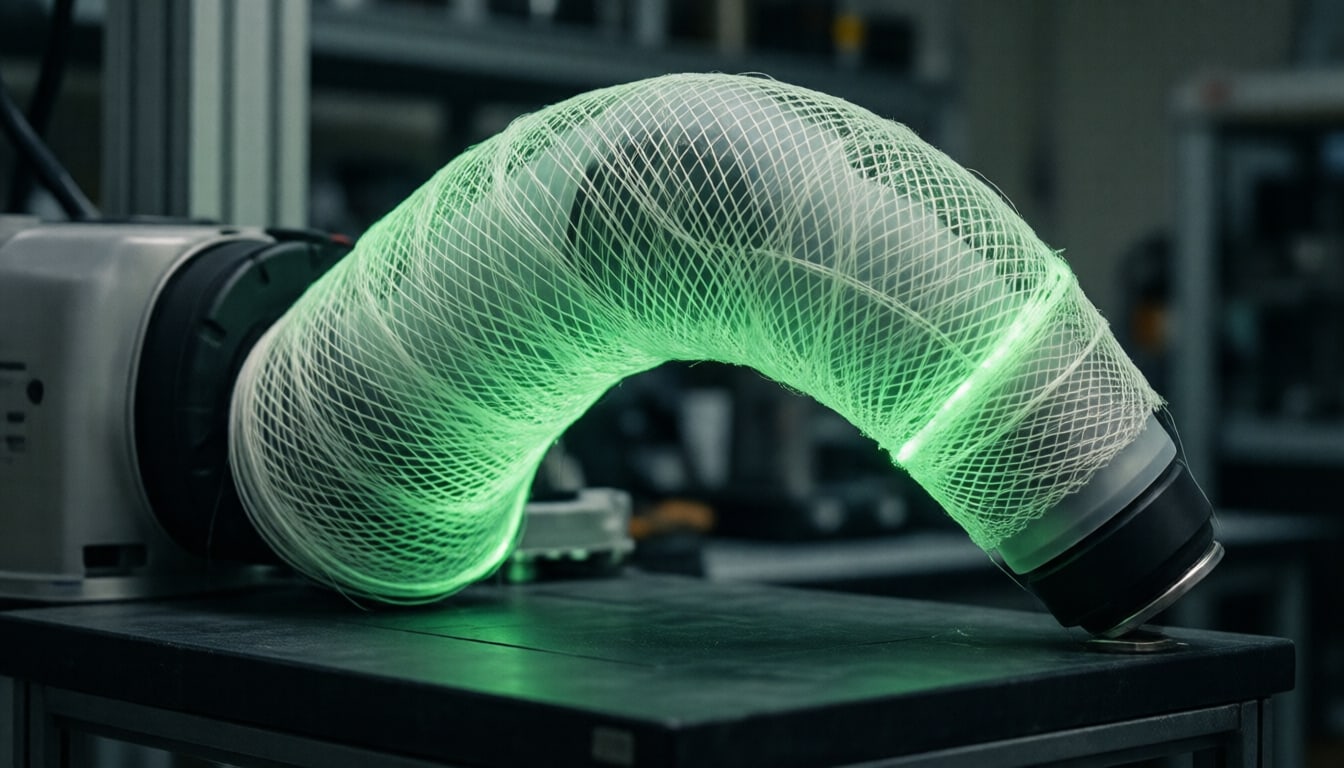
A mesh of mechanoluminescent silicone fibres lit up green where a pneumatic soft robot deformed, with no battery, wiring or signal-processing circuit for sensing.
Engineer Paper Desk · 17 Nov 2026
ENERGY
Simulations show the optimised structure absorbs 98.3% on average across 350–1,000 nm and reaches 99.4% calculated spectral conversion efficiency at 2,000 K.
Engineer Paper Desk · 16 Nov 2026
MATERIALS
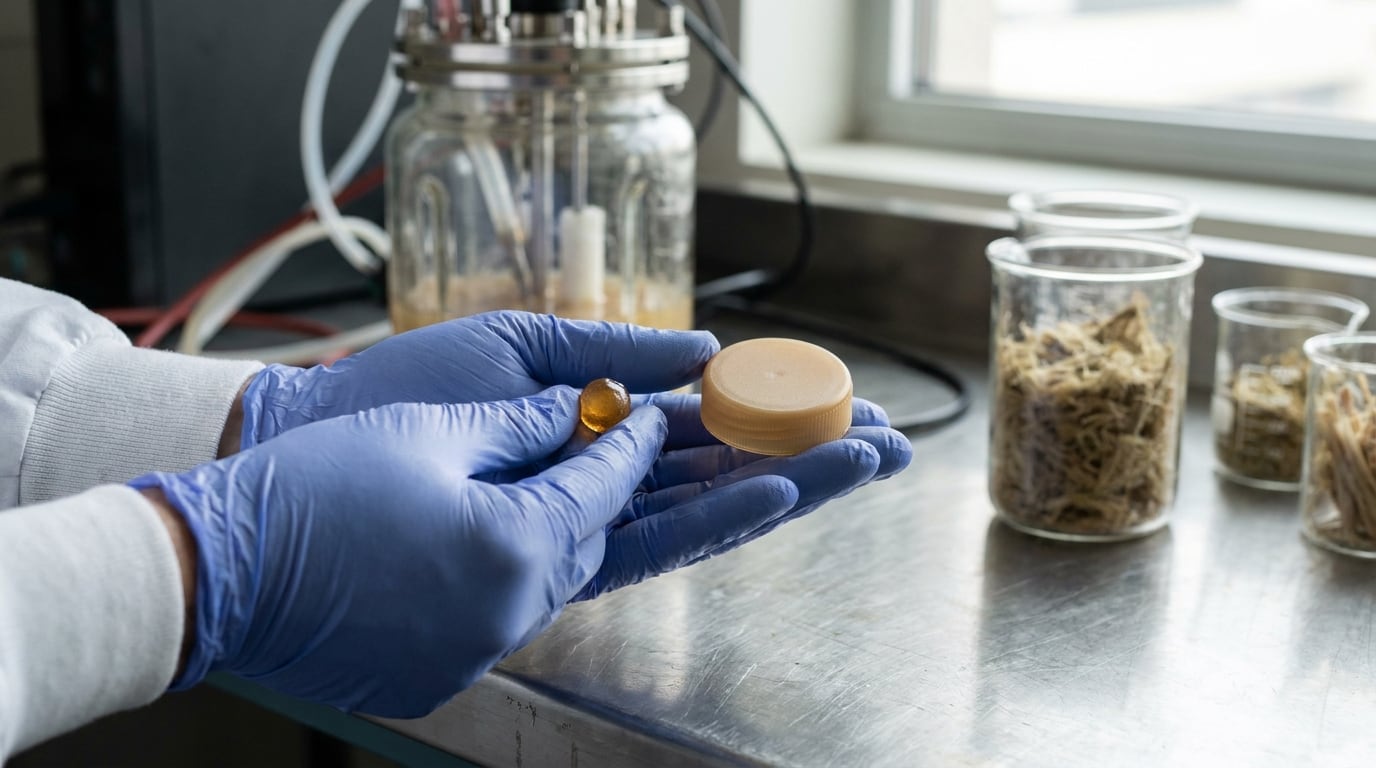
The PHA-based material is made by microbial fermentation of plant byproducts and is already used in refill bottles and perfume caps, the company says.
Engineer Paper Desk · 16 Nov 2026
SOLAR CELLS
Researchers in China report that a 4.7 % emulsion coverage ratio limited minority carrier lifetime degradation to 0.41 % after 10,000 printing cycles.
Engineer Paper Desk · 15 Nov 2026
SPACE SOLAR
Two tandem and one flexible perovskite module fly on separate satellites in a 535 km sun-synchronous orbit; Yanhe has not disclosed efficiencies, power outputs, areas or weights.
Engineer Paper Desk · 15 Nov 2026
SENSORS
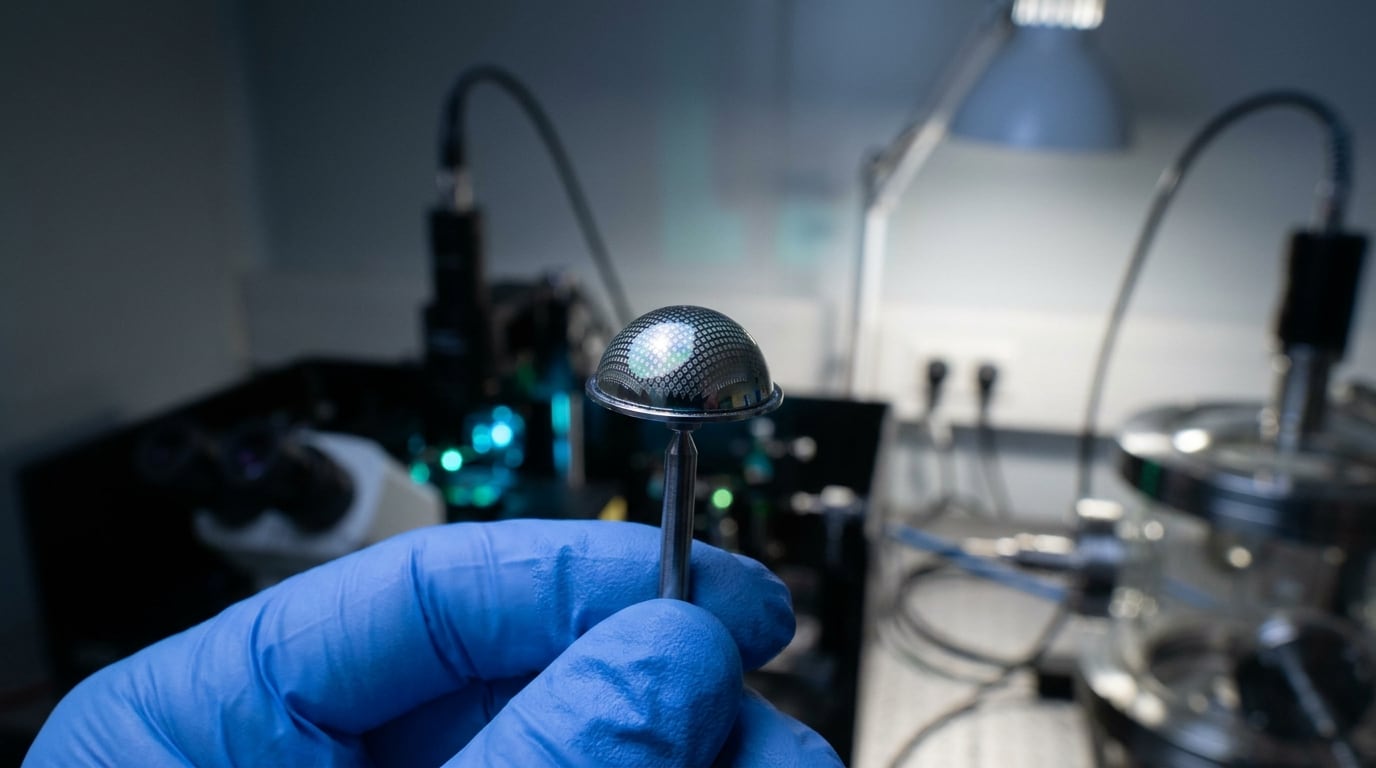
The curved retina combines full-colour imaging over a field of view exceeding 160 degrees with in-sensor motion detection that cut bandwidth demand by more than 99.95 % in the study's tests.
Engineer Paper Desk · 14 Nov 2026
MATERIALS
Engineered films of bismuth ferrite keep their ferroelectric and magnetic properties down to a few angstroms and show altermagnetism, the researchers report in Nature Materials.
Engineer Paper Desk · 14 Nov 2026
ENERGY
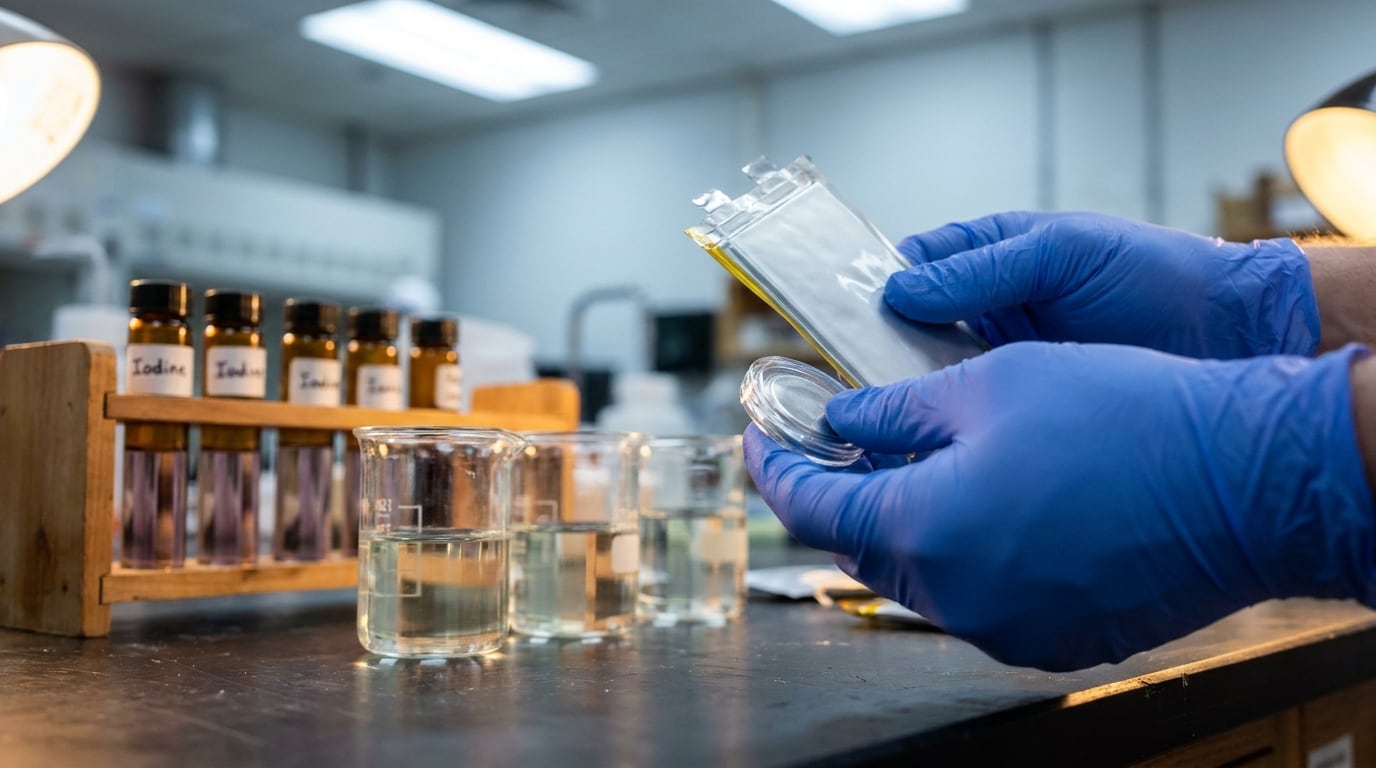
The new aqueous electrolyte lets iodine transfer four electrons instead of two, and zinc–iodine cells retained almost all capacity over thousands of cycles, the researchers report.
Engineer Paper Desk · 14 Nov 2026
SEMICONDUCTORS
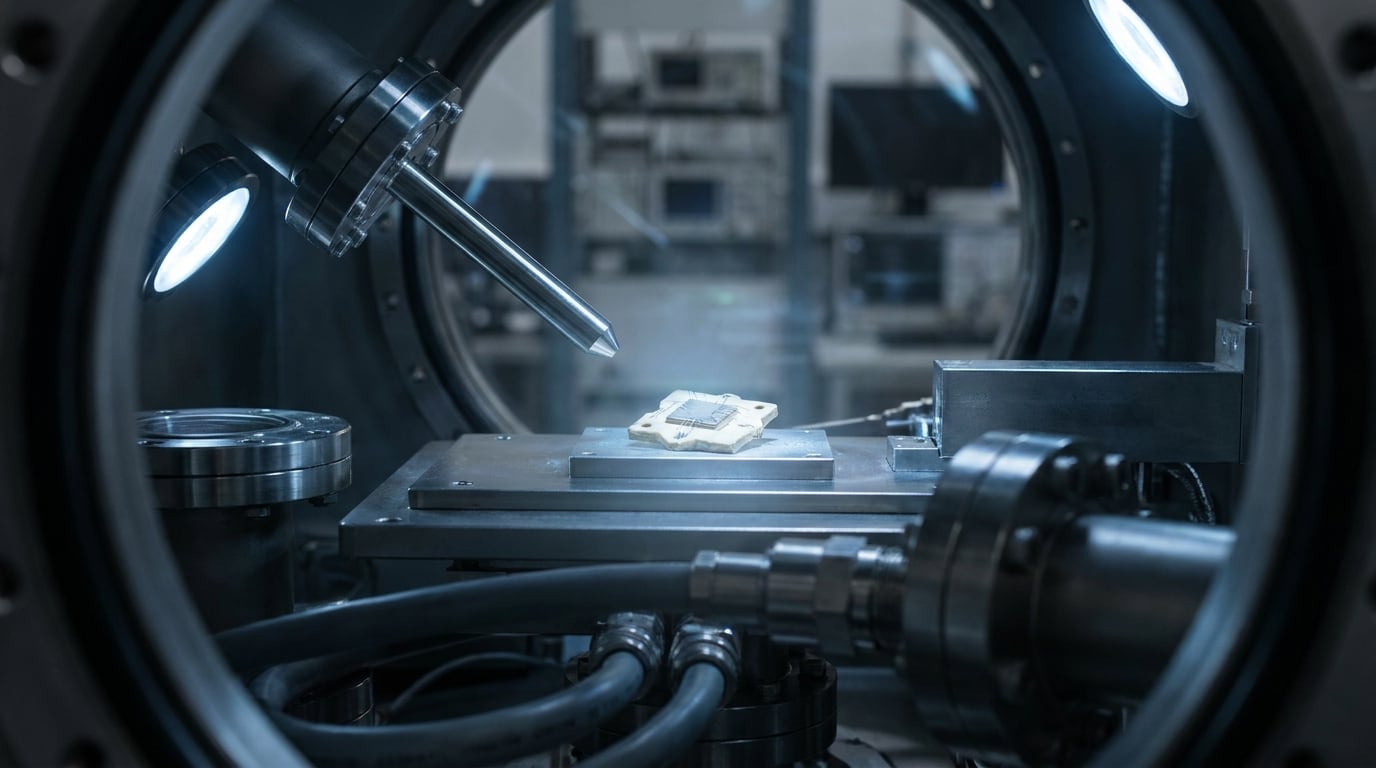
Aluminium nitride diodes withstood higher electric fields before single-event burnout than other semiconductors, and a new analytical model links the failure to charge separation and electron avalanche.
Engineer Paper Desk · 13 Nov 2026
SOLAR
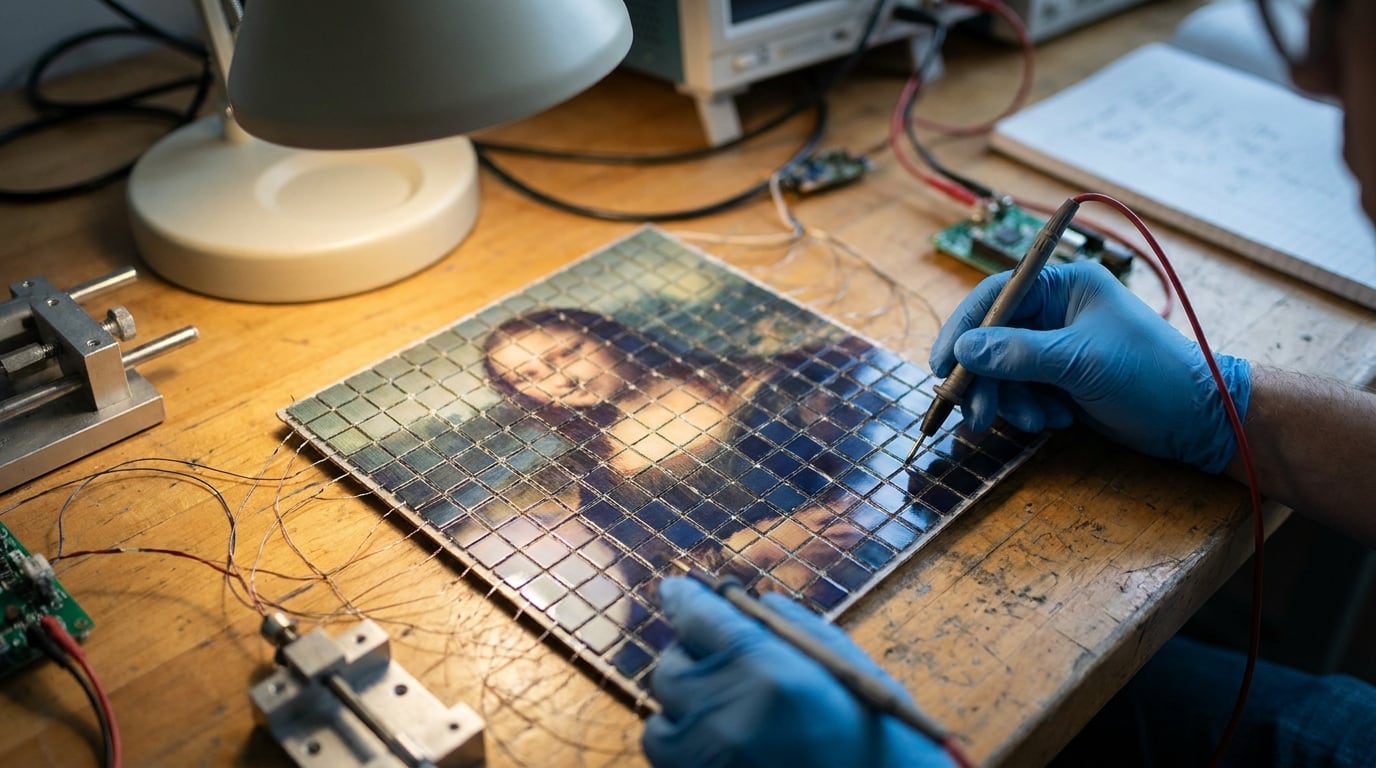
Simulated arrays showing 50 artworks reached 74.3 % to 91.7 % of a black reference array's output; bypass diodes raised one image to 84.4 % but left 24 of 1,296 cells in reverse bias.
Engineer Paper Desk · 13 Nov 2026
ROBOTICS
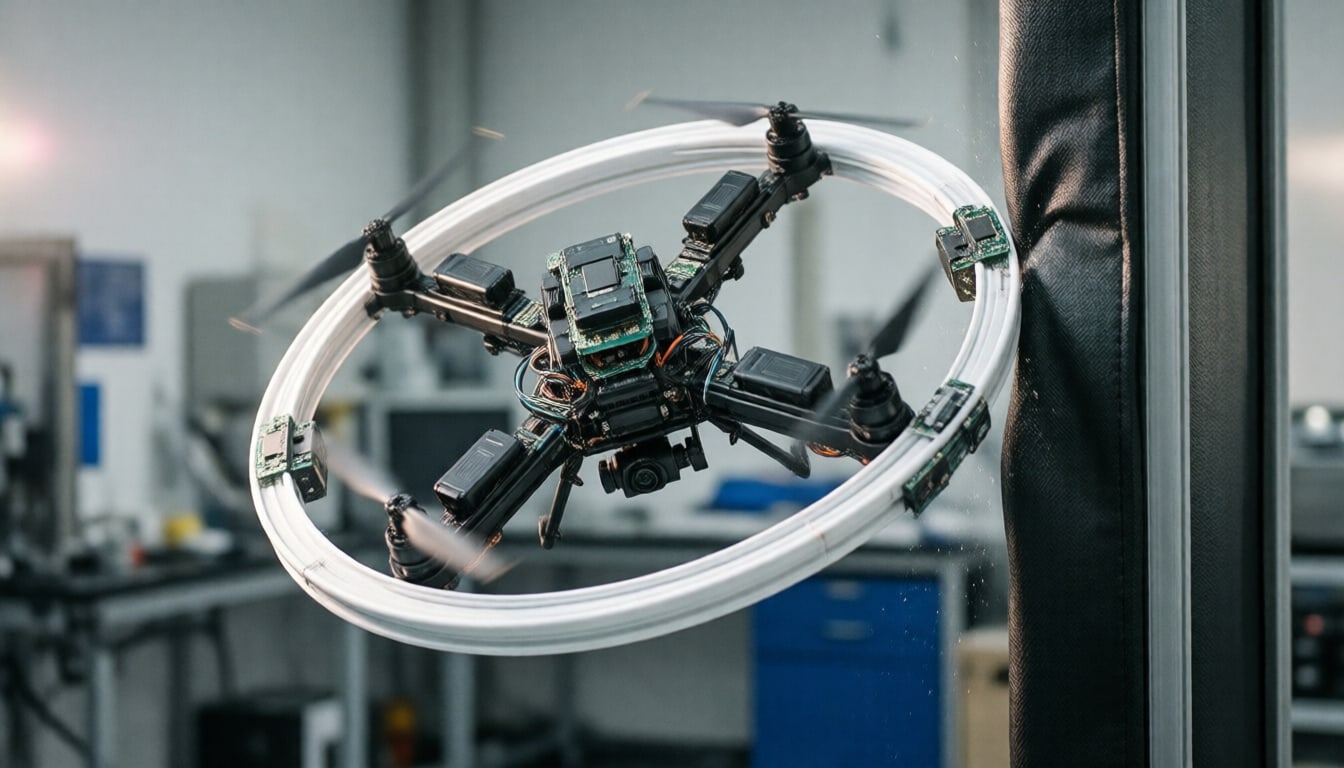
The ring-shaped drone flies at up to 80 km/h and continued flying after collisions at up to around 25 km/h, the researchers report.
Engineer Paper Desk · 12 Nov 2026
SOLAR
Half-cell modules with deliberately weakened wire contacts showed phase differences of about 250 millidegrees, against around 150 millidegrees for good contacts.
Engineer Paper Desk · 12 Nov 2026
ENERGY
A 1.26-metre model turbine with rubber blades matched pitch-controlled energy output and cut rapid load fluctuations by up to 29 %, according to a Nature study.
Engineer Paper Desk · 12 Nov 2026
ENERGY
A patterned organic sheet splits water under simulated sunlight for over 2 hours at a solar-to-hydrogen efficiency of about 0.1%, the researchers report.
Engineer Paper Desk · 12 Nov 2026
ENERGY
A methylammonium-free perovskite module reached 22.70% efficiency, against 15.8% for a reference module without the additive strategy, and kept 97.76% of initial efficiency after 1,300 hours.
Engineer Paper Desk · 11 Nov 2026
ENERGY
A three-dimensional simulation of alkaline water electrolysis finds voltage losses rise exponentially once a hydrogen bubble passes a critical radius set by electrode geometry and wettability.
Engineer Paper Desk · 11 Nov 2026
ENERGY
In an industrial batch of 966 cells, average conversion efficiency rose from 27.15% to 27.22% after post-plasma oxidation was extended to 100 seconds.
Engineer Paper Desk · 11 Nov 2026
SOLAR
A photoresist-based selective emitter raised average efficiency by 0.16 percentage points over a uniform emitter in the team's comparison; ISFH confirmed the 26.03% certified result for the optimised cell.
Engineer Paper Desk · 9 Nov 2026
SOLAR
The Indian manufacturer says it may later expand ingot and wafer capacity to up to 10 GW and cell capacity to up to 5 GW, depending on market conditions.
Engineer Paper Desk · 9 Nov 2026
ENERGY
Adding m-F-PEABr to fill FA vacancies at (111) boundaries gave 26.55% efficiency and over 90% of initial efficiency after more than 2,200 hours under one-sun light.
Engineer Paper Desk · 7 Nov 2026