COMPUTING
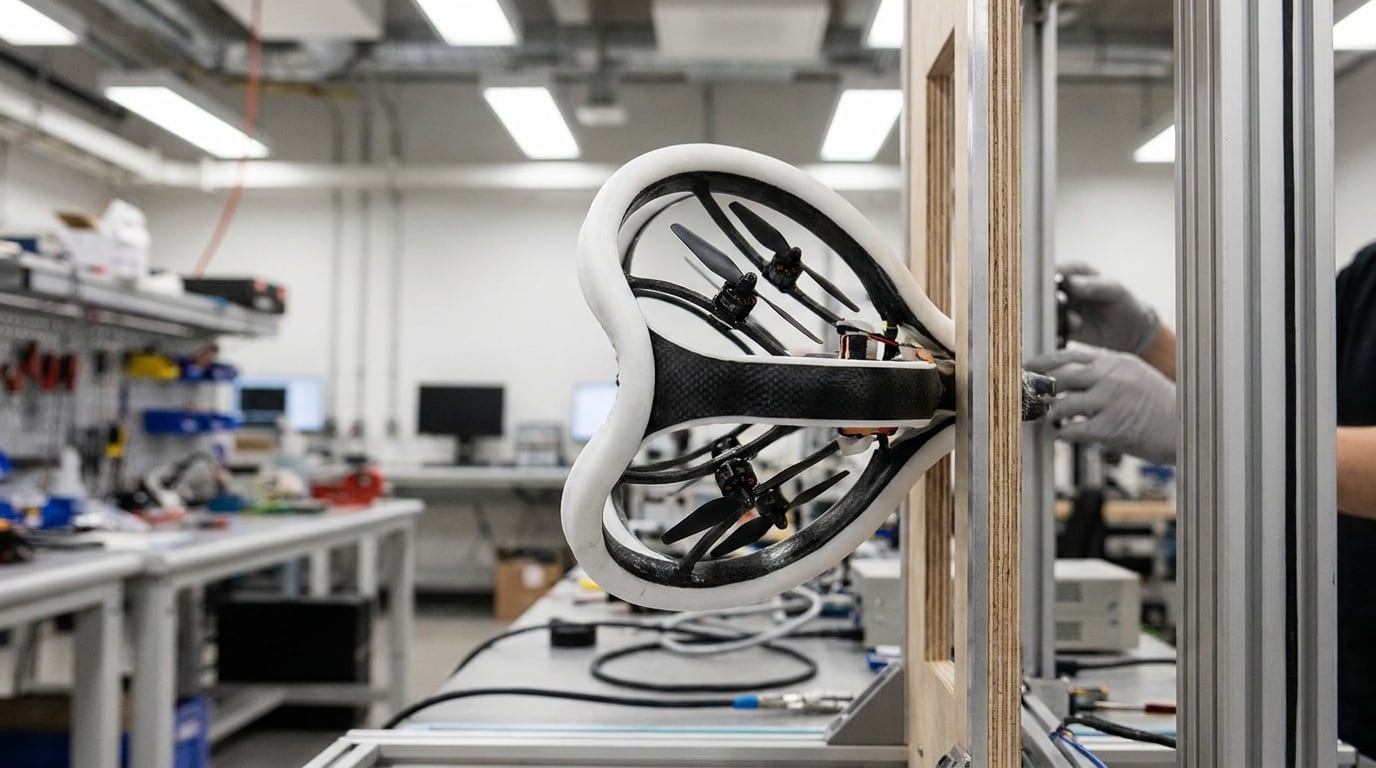
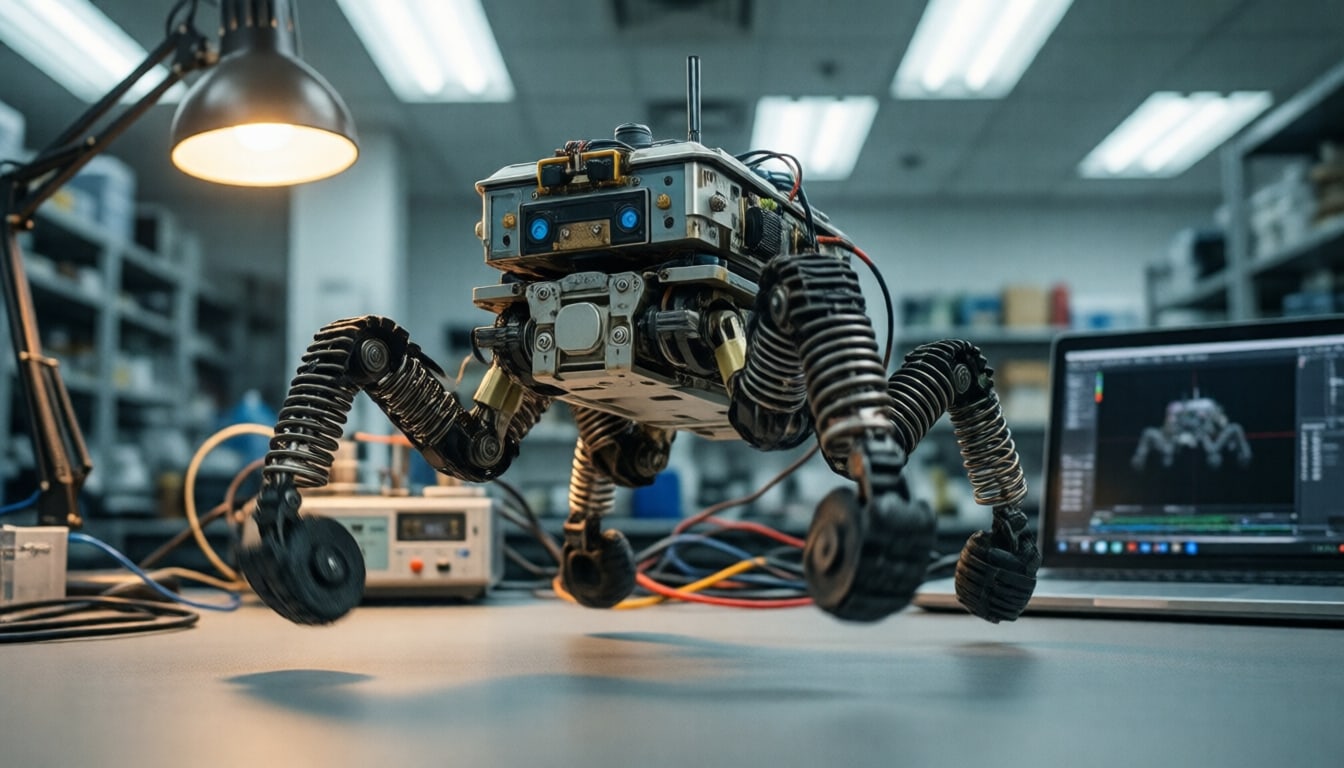
The 405 g prototype survived frontal impacts at up to 18 km/h without damage, squeezed through a 180 mm opening and lifted a payload heavier than itself.
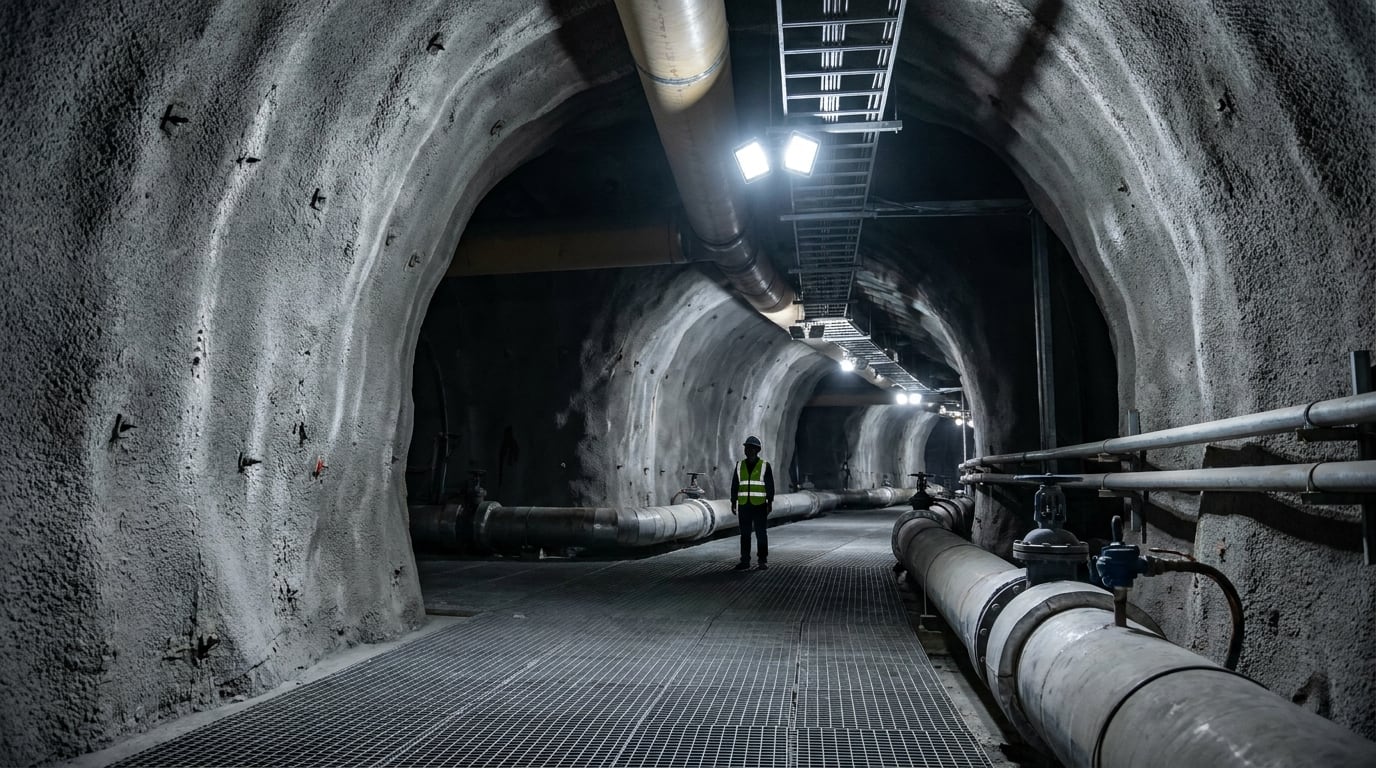 ENERGYChina grid-connects 300 MW compressed air storage plant in YumenYuanchu No. 1 stores air in four excavated rock chambers about 110 m underground, rated 300 MW/1,800 MWh; the developer reports 72 % round-trip efficiency, not yet independently confirmed.
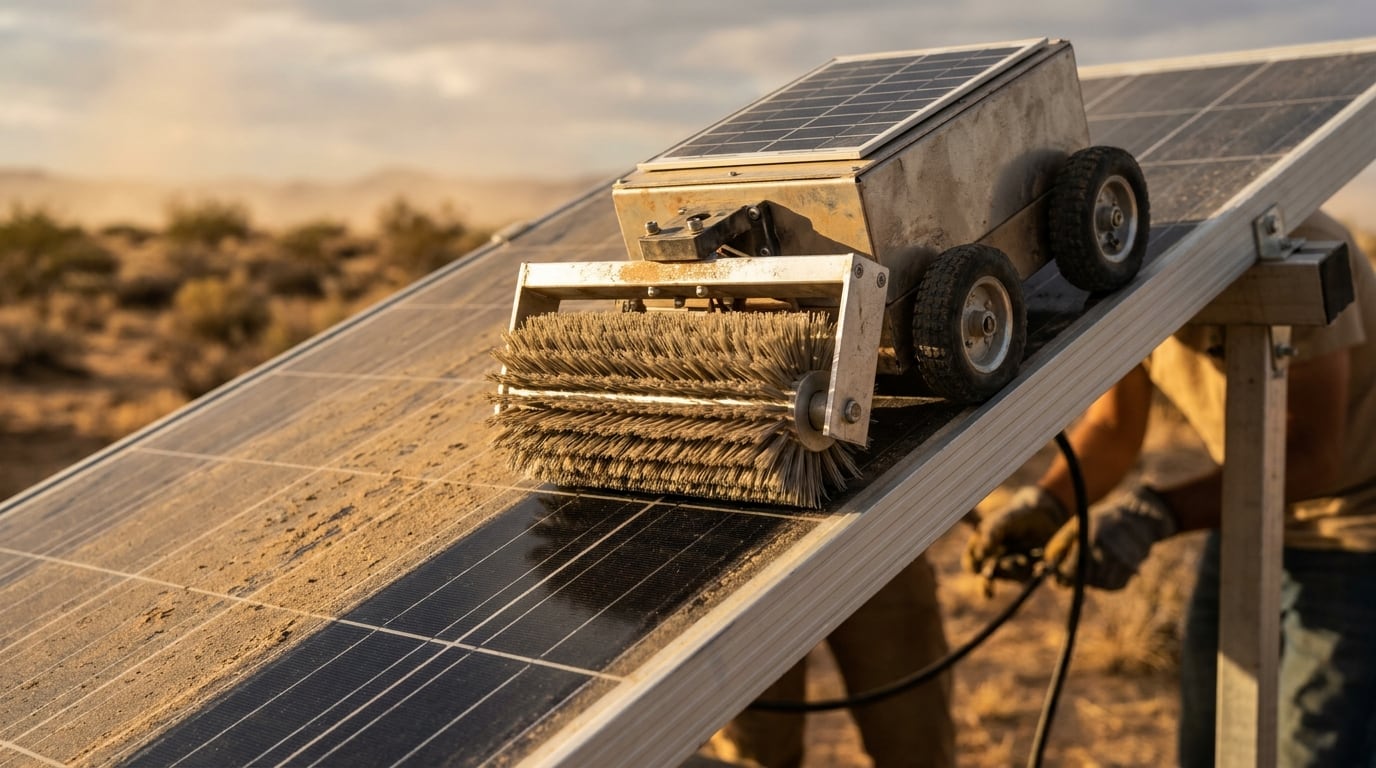 ENERGYSolar-powered robot cleans PV panels without water for USD 64In a three-month field trial in Pakistan, a prototype built from off-the-shelf parts restored a heavily soiled 180 W module's output from 93 W to 173.7 W after cleaning, across about 30 autonomous cycles.
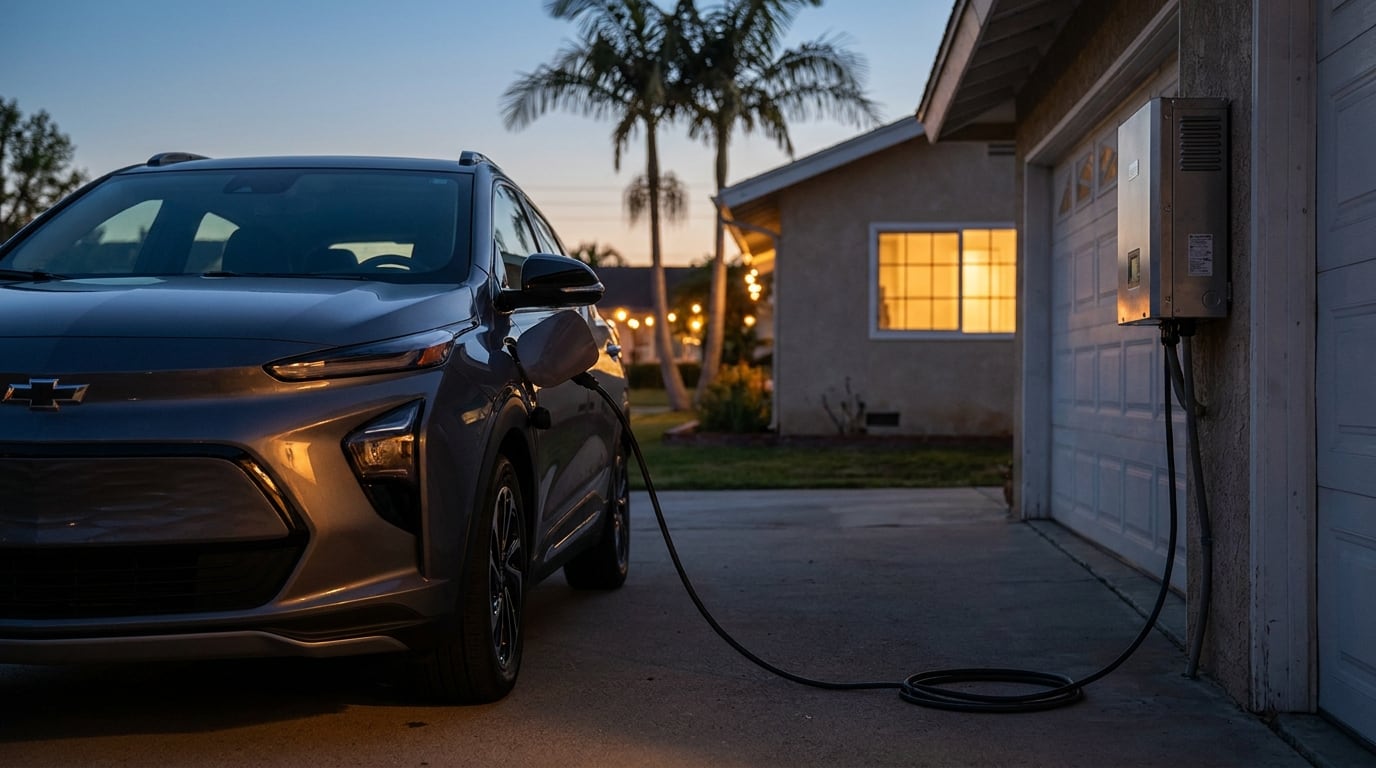 ENERGYGM and WeaveGrid launch V2G pilot with Southern California EdisonEligible SCE customers can receive up to USD 8,000 toward a GM Energy V2H system and up to USD 8,099 toward installation costs.
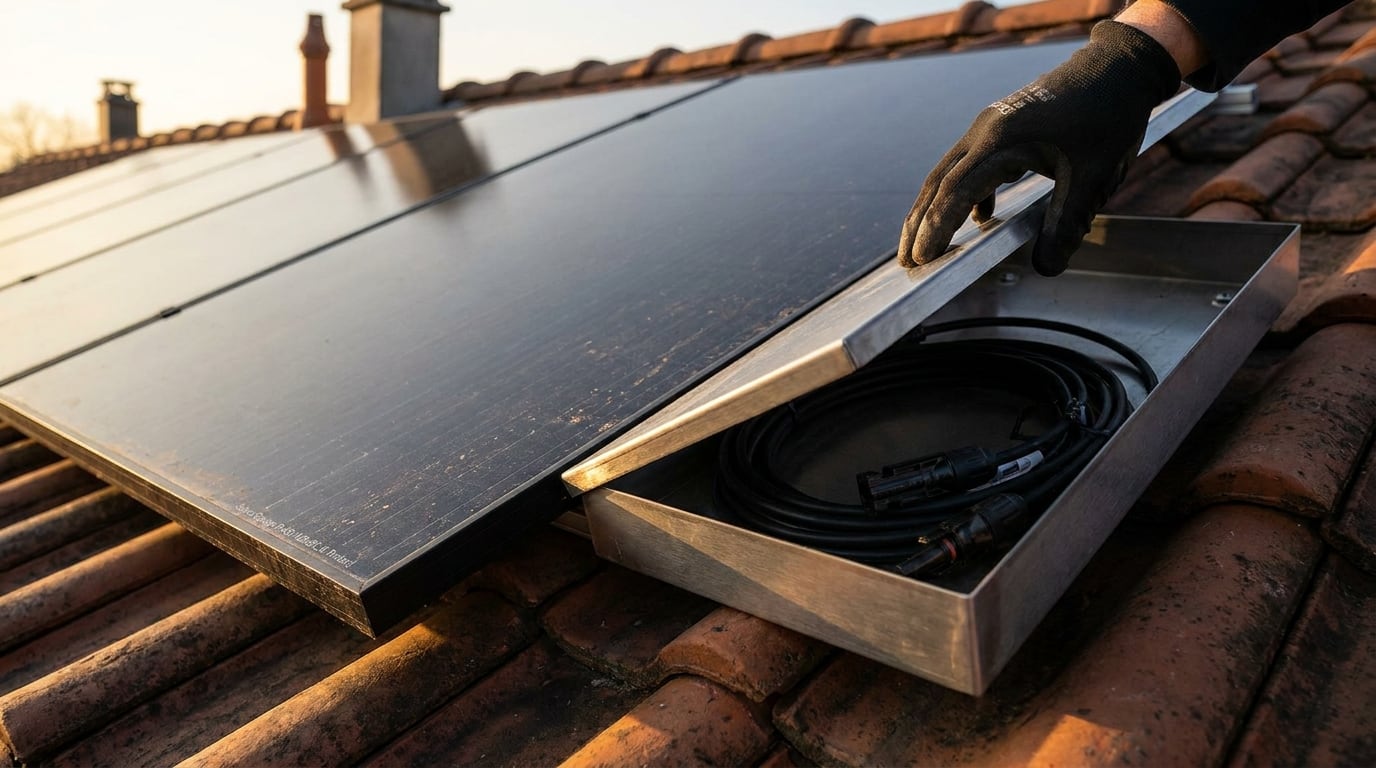 SOLARSolyco launches 485 W full-black residential solar module with stainless steel cable coverThe German manufacturer says the glass-glass panel reaches 23.8% efficiency and is its first commercial module with integrated protection against animal bites on its connection cables.
 ENERGYLongi launches 25.2%-efficient solar module with triple-protection designLongi's Hi-MO X10 Full-Screen module reaches a 98.58% front-side light-receiving area ratio and 680 W maximum front-side power, the company says.
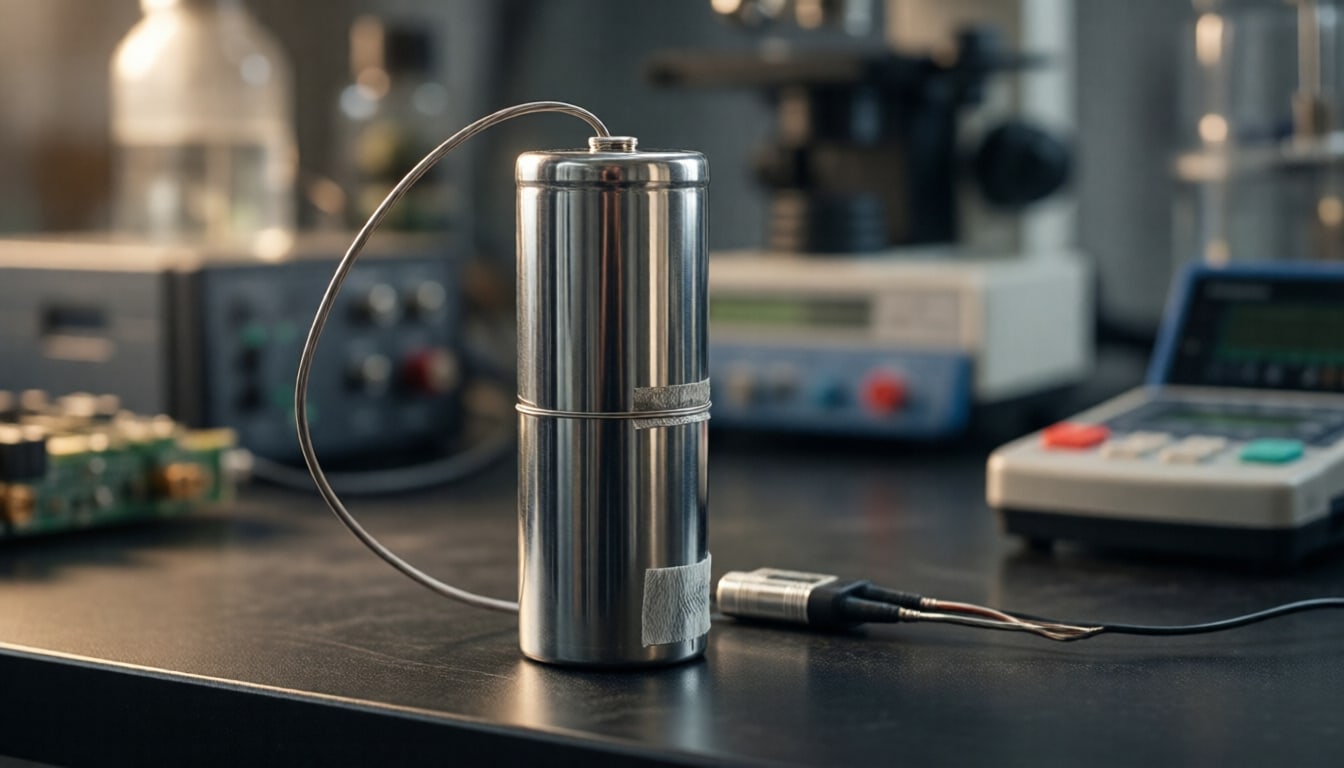
We derive the lumped thermal model used in many battery management systems, show how its two parameters set the steady-state temperature rise and the response time, and work through an illustrative cylindrical-cell…
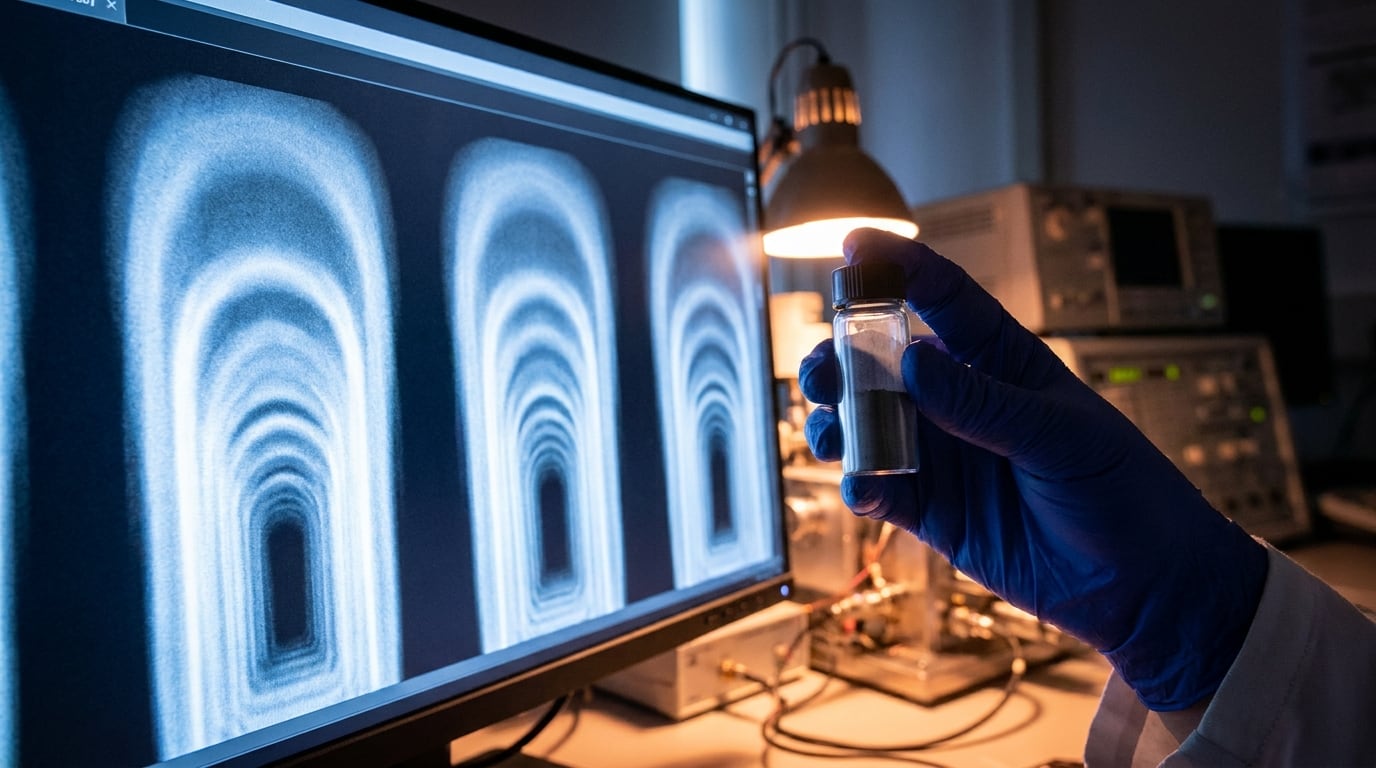
In hollandite-type manganese dioxide, sodium filled tunnel centres evenly, magnesium clustered near particle surfaces and calcium barely entered the tunnels, the researchers report.
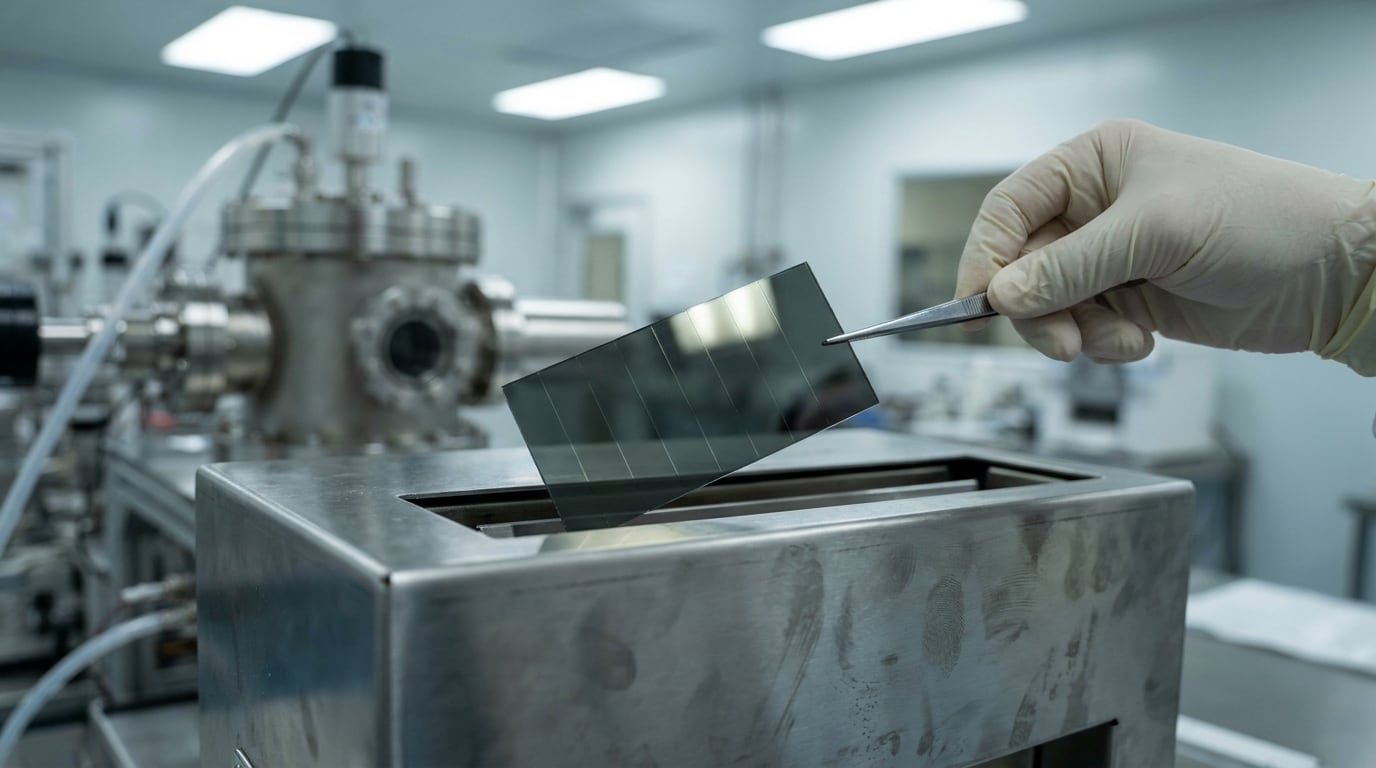
The National PV Industry Measurement and Testing Center certified the steady-state result. The team says cooling the wet precursor film before vacuum treatment reduced fill factor losses.
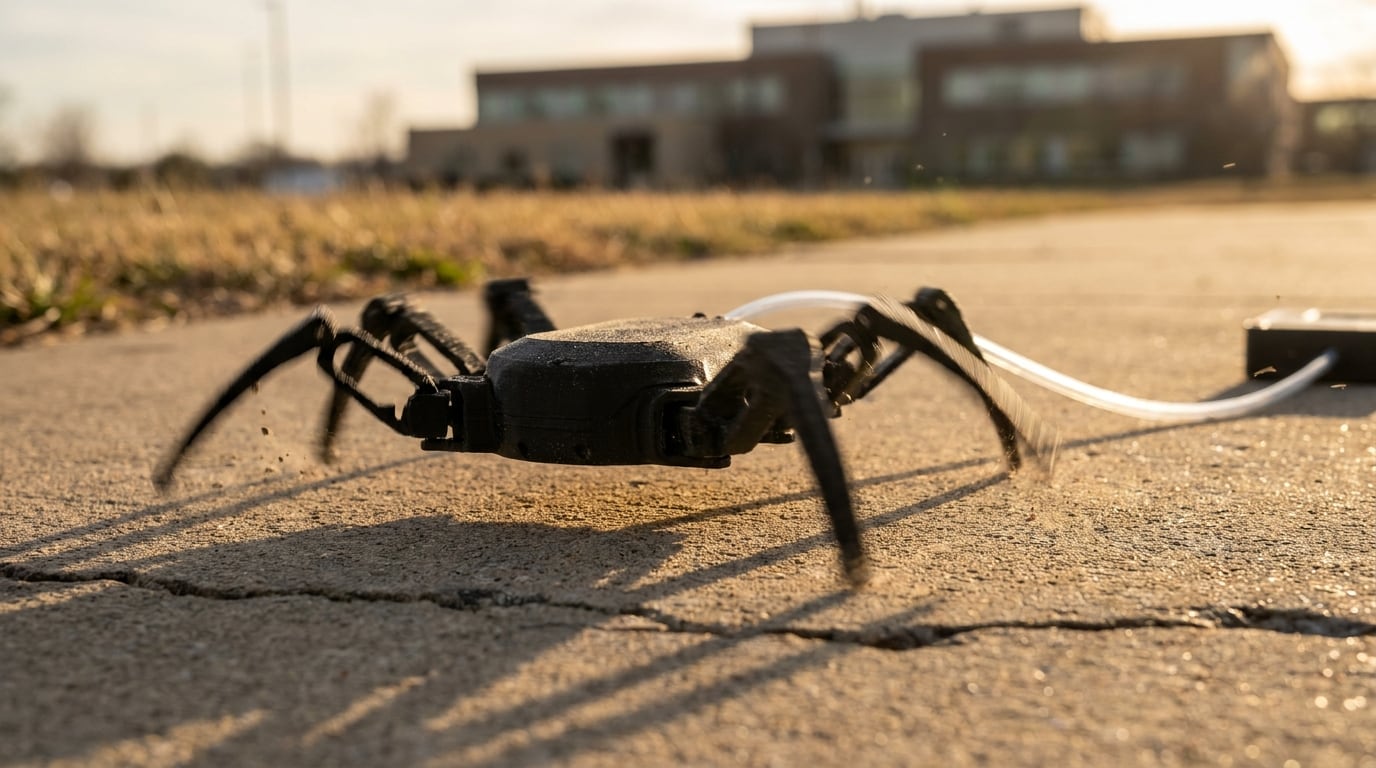
A single-material, 3D-printed hexapod reached 4.72 m/s using a pneumatic circuit inspired by the compound steam engine, over 100 times faster than the team's 2022 robot.
Read the news, open the paper behind it, change the parameters of its formula, run the calculator, watch how it is built — and publish your own work, from a preprint to a build log of what failed and why.
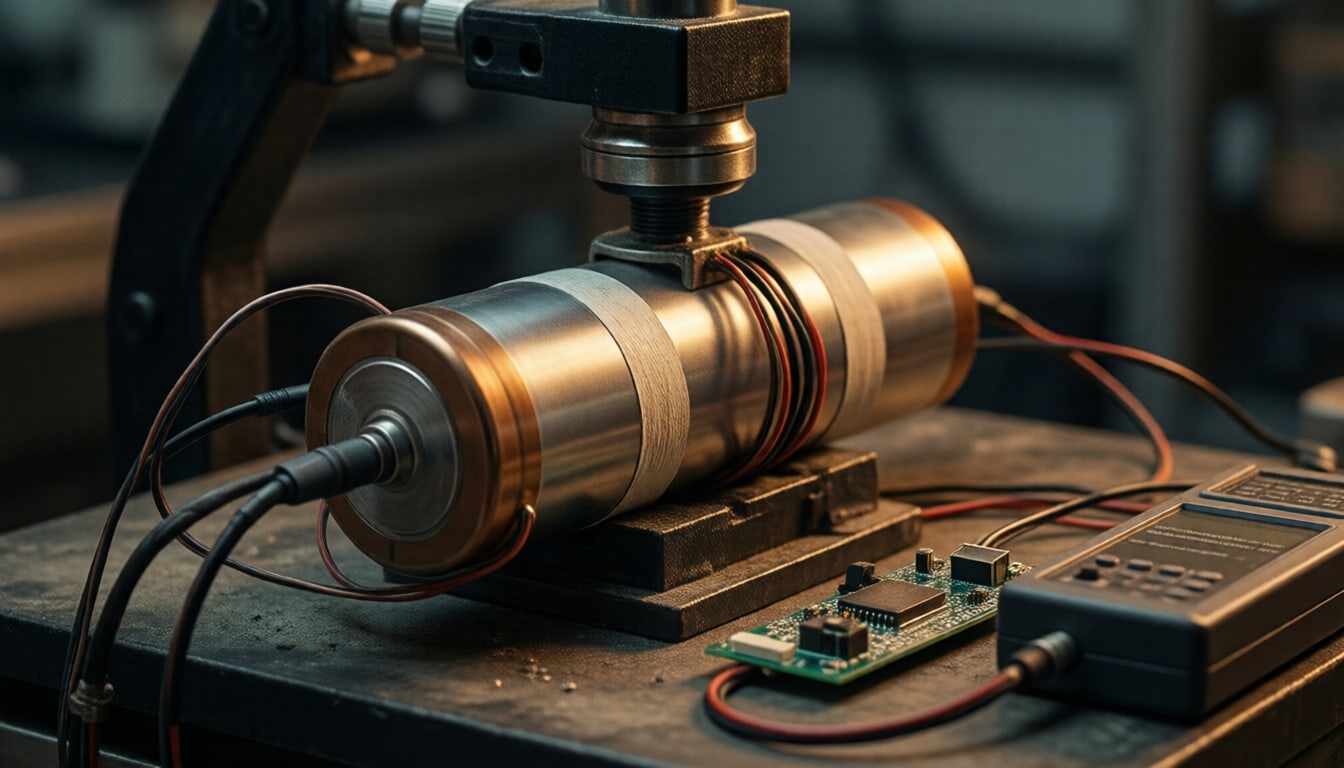
Axial force divided by cross-sectional area.
We derive the lumped thermal model used in many battery management systems, show how its two parameters set the steady-state temperature rise and the response time, and work through an illustrative cylindrical-cell example with Ohmic heating of 2 W. Steady state is reached after about five time constants; with an illustrative thermal resistance of 8 K/W and heat capacity of 70 J/K the cell settles 16 K above ambient with a time constant of 560 s. The model ignores internal temperature gradients and entropic heat, which we discuss as limitations.
A 2025 preprint fits a simple equivalent-circuit thermal model with ordinary least squares, using data from a single cycle — and tests it on NASA, MIT and Oxford battery datasets.
A preprint models a quadruped as a spring-loaded inverted pendulum and uses energy conservation to keep its bouncing gait stable — even with 10 % sensor error, in simulation.

The battery-free PDMS patch, read by an ordinary smartphone camera, matched clinical pulse waveforms with a mean correlation of 0.94 in tests on 13 seated volunteers.
The six-wheeled robot is designed to pass 90° elbows in 53 mm pipe and has generated 16.5 N of pull force in straight steel pipe in laboratory tests.
A mesh of mechanoluminescent silicone fibres lit up green where a pneumatic soft robot deformed, with no battery, wiring or signal-processing circuit for sensing.
Zimeng Xiong of Alpaca Engineering built a slicer that overlays non-planar layers on a planar base, tested on a Bambu Labs A1 Mini.
Engineering is also about what failed. Project logs on Engineer Paper have a dedicated entry type for failures — with the reason. Start a project log →
Why engineers write numbers in steps of a thousand, and how schematics hide the decimal point.
Swept area grows with the square of rotor diameter; the power in the wind grows with the cube of its speed. Betz caps what you can keep.
Materials grow when they warm up. Let them, or the stress will find its own way out.
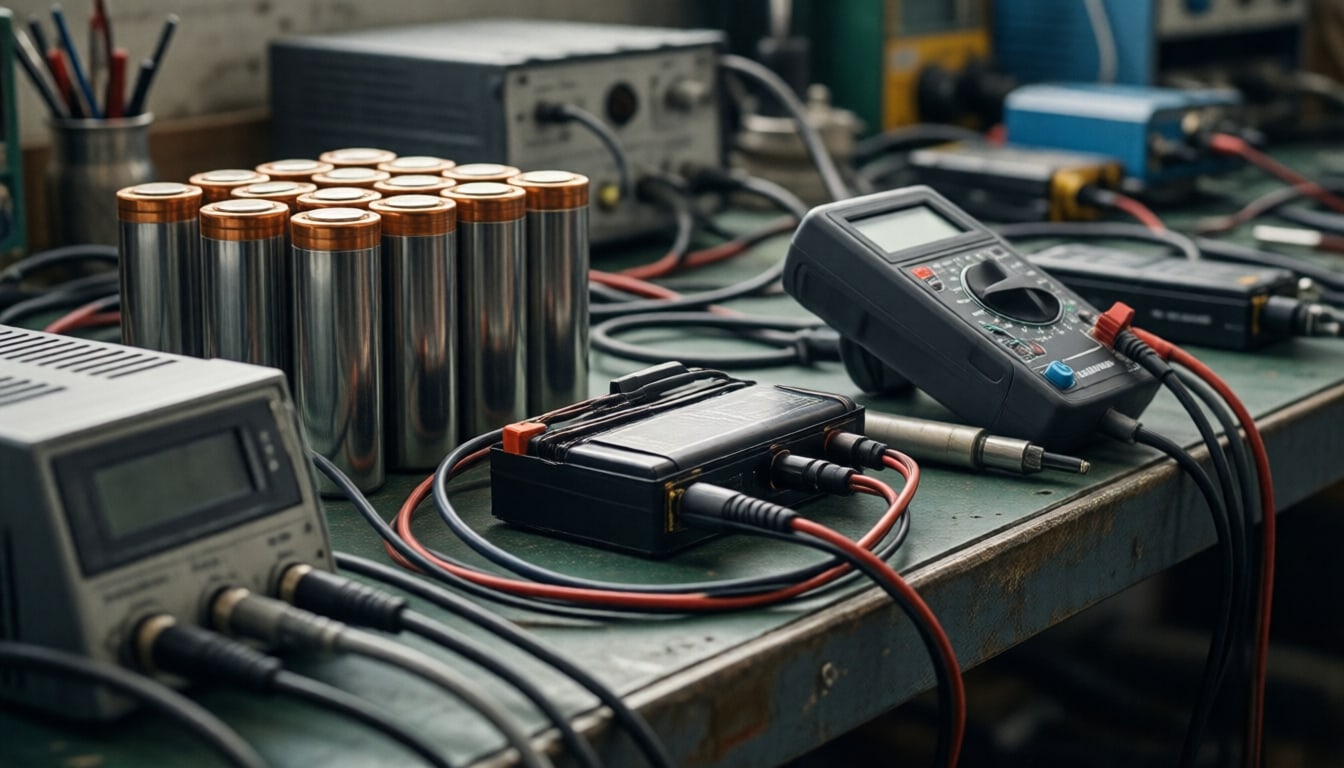
Ampere-hours tell you charge, watt-hours tell you energy, and the C-rate tells you how hard you are pushing the cells.
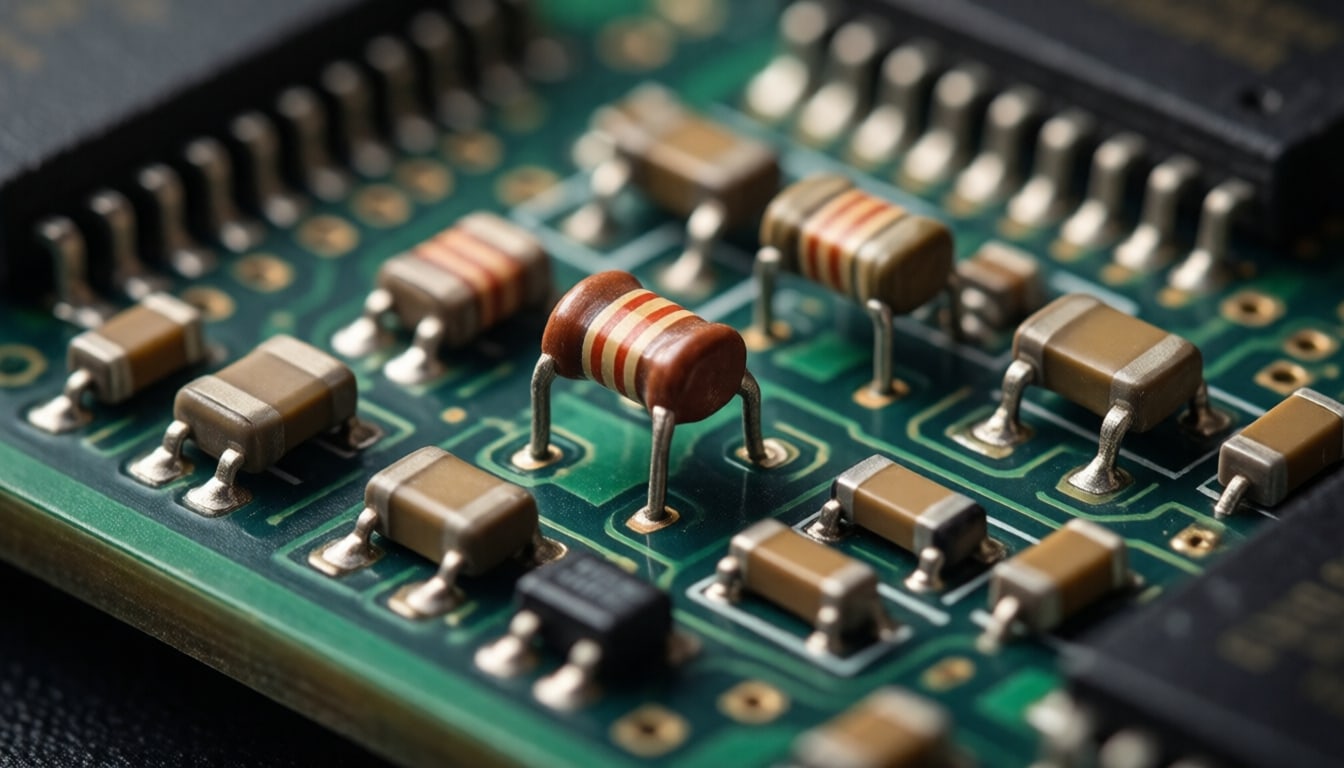
From capacitor cells to memory chips, animated.
Watch + read: formulas, tools and papers for this video →The 405 g prototype survived frontal impacts at up to 18 km/h without damage, squeezed through a 180 mm opening and lifted a payload heavier than itself.
In hollandite-type manganese dioxide, sodium filled tunnel centres evenly, magnesium clustered near particle surfaces and calcium barely entered the tunnels, the researchers report.
The National PV Industry Measurement and Testing Center certified the steady-state result. The team says cooling the wet precursor film before vacuum treatment reduced fill factor losses.
A single-material, 3D-printed hexapod reached 4.72 m/s using a pneumatic circuit inspired by the compound steam engine, over 100 times faster than the team's 2022 robot.
Open Engineering Review is where engineers question calculations, ask for data and propose alternative methods — typed, specific and on the record.
The first reviews will appear here as soon as they are approved.