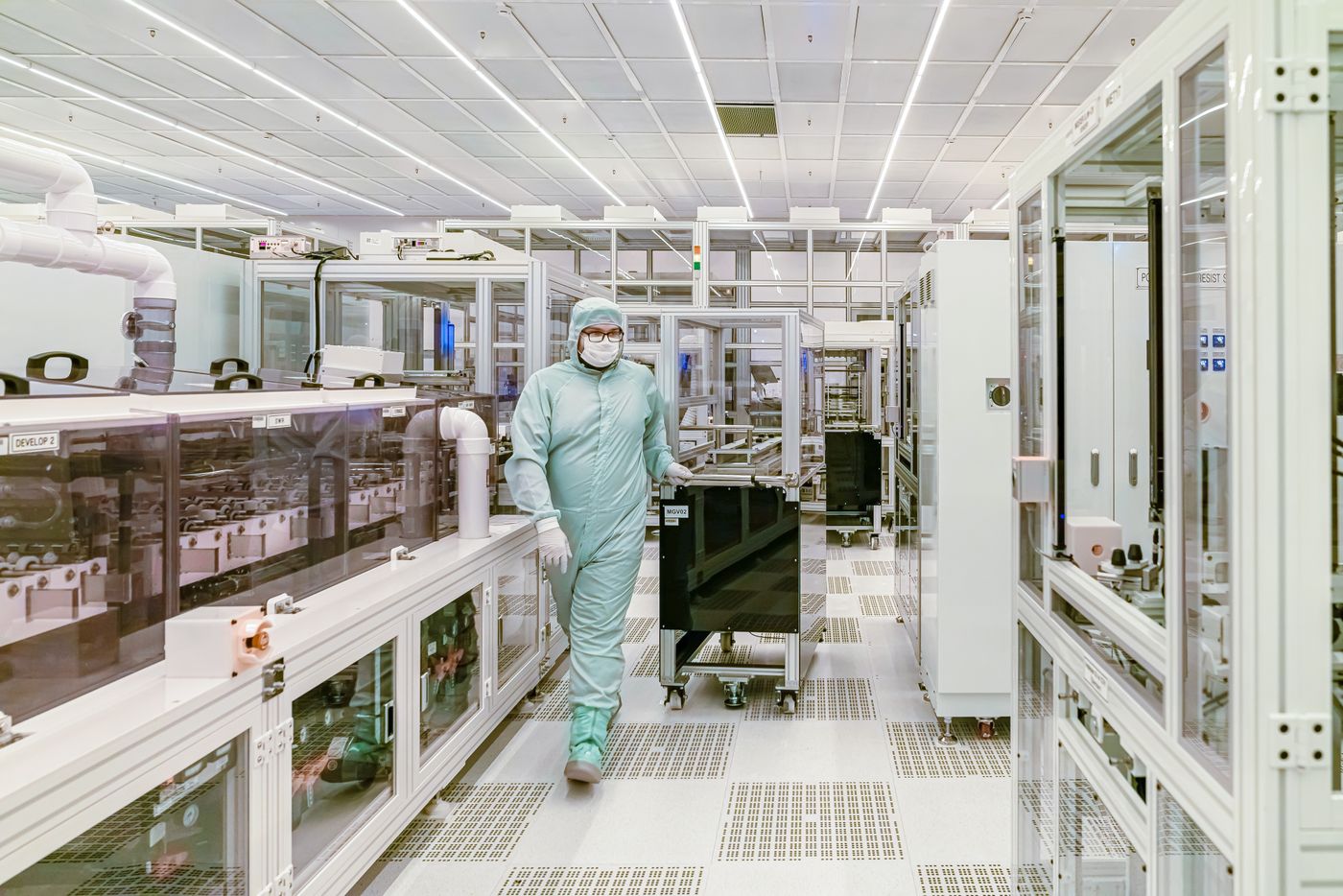
Indian PV manufacturer Jakson plans to bring an initial 3 GW of integrated ingot, wafer and solar cell manufacturing capacity into operation in India by the end of 2028, Ivan Saha, Managing Director of Jakson Engineers Limited, told pv magazine. Saha said the company may subsequently expand its ingot and wafer capacity to up to 10 GW and its solar cell capacity to up to 5 GW, depending on market conditions.
Jakson intends to develop its ingot-wafer and cell projects simultaneously, although the cell facility could become operational ahead of the ingot-wafer plant. Saha said the strategy centres on vertical integration: the company seeks to control manufacturing quality across the ingot, wafer and cell stages rather than relying entirely on external wafer suppliers. Silicon wafer characteristics including oxygen content, dislocation levels and resistivity can influence downstream cell performance, he said, and producing wafers in-house would allow Jakson to control these parameters. "By controlling wafer quality and cell quality, we can have greater confidence in the final product," Saha said.
Jakson has approximately 1.2 GW of solar module manufacturing capacity. Saha said the current investment focus is on backward integration rather than substantial additional investment in standalone module manufacturing, which he described as a relatively lower-value segment with higher operating costs. The company may sell cell production to the market or explore arrangements to convert cells into modules, depending on market requirements.
TOPCon 3.0 cells
Jakson plans to adopt TOPCon 3.0 technology at its proposed 3 GW solar cell facility. Saha said the technology incorporates additional process steps compared with conventional TOPCon cell manufacturing to improve conversion efficiency, and that the company intends to adopt it directly rather than transition through successive technology generations. "We expect to be among the early adopters of TOPCon 3.0 in India," he said, noting that Jakson is targeting initial cell conversion efficiencies of 25.5% to 25.6%.
Saha highlighted the gap between India's announced solar manufacturing capacity and actual market supply. According to his assessment, India has approximately 17 GW of ALMM-compatible TOPCon cell manufacturing capacity. Based on publicly available financial results of select listed manufacturers, he estimated average capacity utilisation at around 60%; applying this indicative rate to the estimated capacity would suggest annual production of approximately 10 GW. Not all of that output is necessarily available to the open market, as some manufacturers use their cell production for captive module manufacturing.
Saha said he expects substantial consolidation in India's solar manufacturing industry over the next four years as manufacturers face pressure to compete on technology, product quality and production costs, and considerable market restructuring as the industry shifts focus from announced capacity to commercially viable production.
Key facts
- 3 GW: initial integrated ingot, wafer and cell capacity Jakson plans to operationalise in India by the end of 2028
- Up to 10 GW: potential later ingot and wafer capacity, depending on market conditions
- Up to 5 GW: potential later solar cell capacity, depending on market conditions
- 1.2 GW: Jakson's approximate existing solar module manufacturing capacity
- 25.5% to 25.6%: initial cell conversion efficiency Jakson is targeting with TOPCon 3.0
Sources
- Jakson targets 3 GW integrated manufacturing capacity by 2028, eyes potential 10 GW ingot-wafer expansion — pv magazine
Other news outlets are named as sources but not linked.
Discussion
Technical questions and corrections are welcome. Comments are signed and checked before they appear.
No comments yet.
Sign in to add a typed review comment. Reviews are signed with your name.