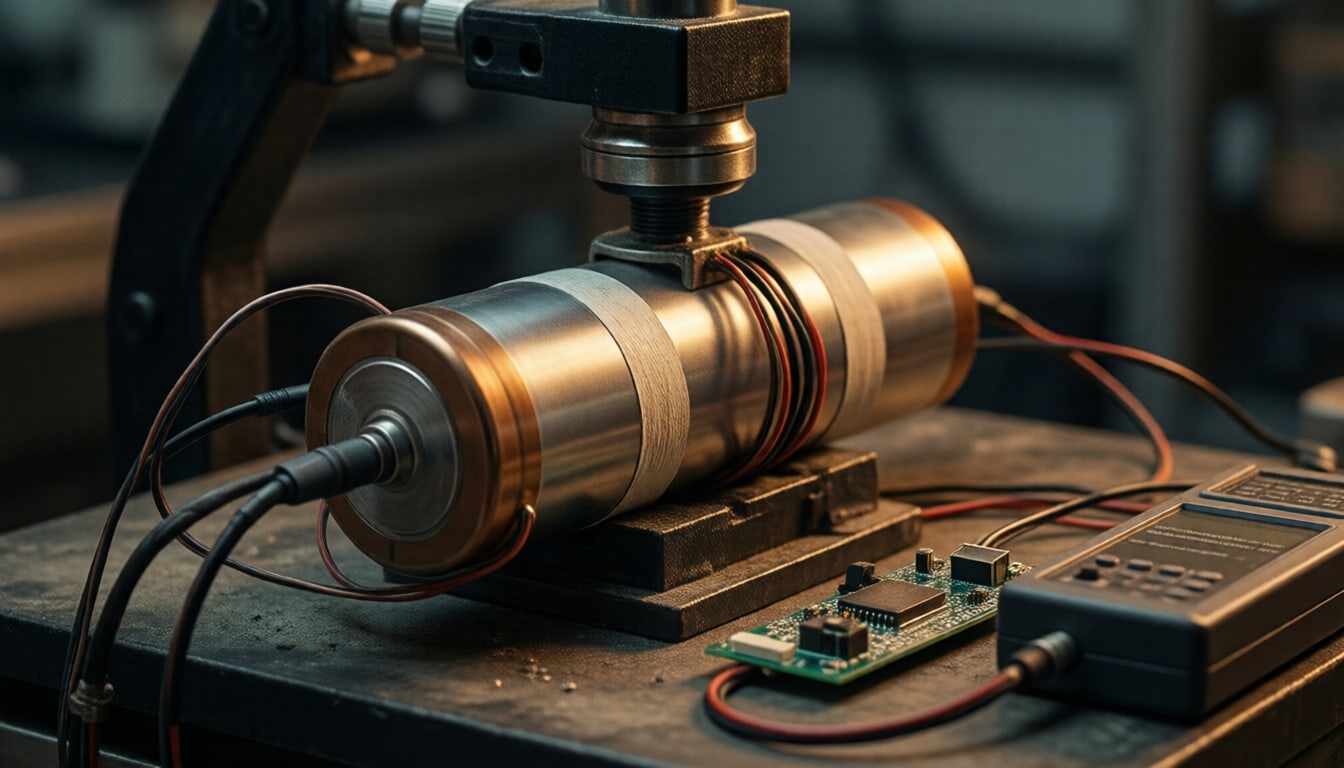
Predicting a battery's surface temperature from one charge cycle
A 2025 preprint fits a simple equivalent-circuit thermal model with ordinary least squares, using data from a single cycle — and tests it on NASA, MIT and Oxford battery datasets.
Papers published on Engineer Paper — always with their status shown plainly — plus open research from elsewhere, explained with working models.
A 2025 preprint fits a simple equivalent-circuit thermal model with ordinary least squares, using data from a single cycle — and tests it on NASA, MIT and Oxford battery datasets.
Why engineers write numbers in steps of a thousand, and how schematics hide the decimal point.
Swept area grows with the square of rotor diameter; the power in the wind grows with the cube of its speed. Betz caps what you can keep.
Materials grow when they warm up. Let them, or the stress will find its own way out.
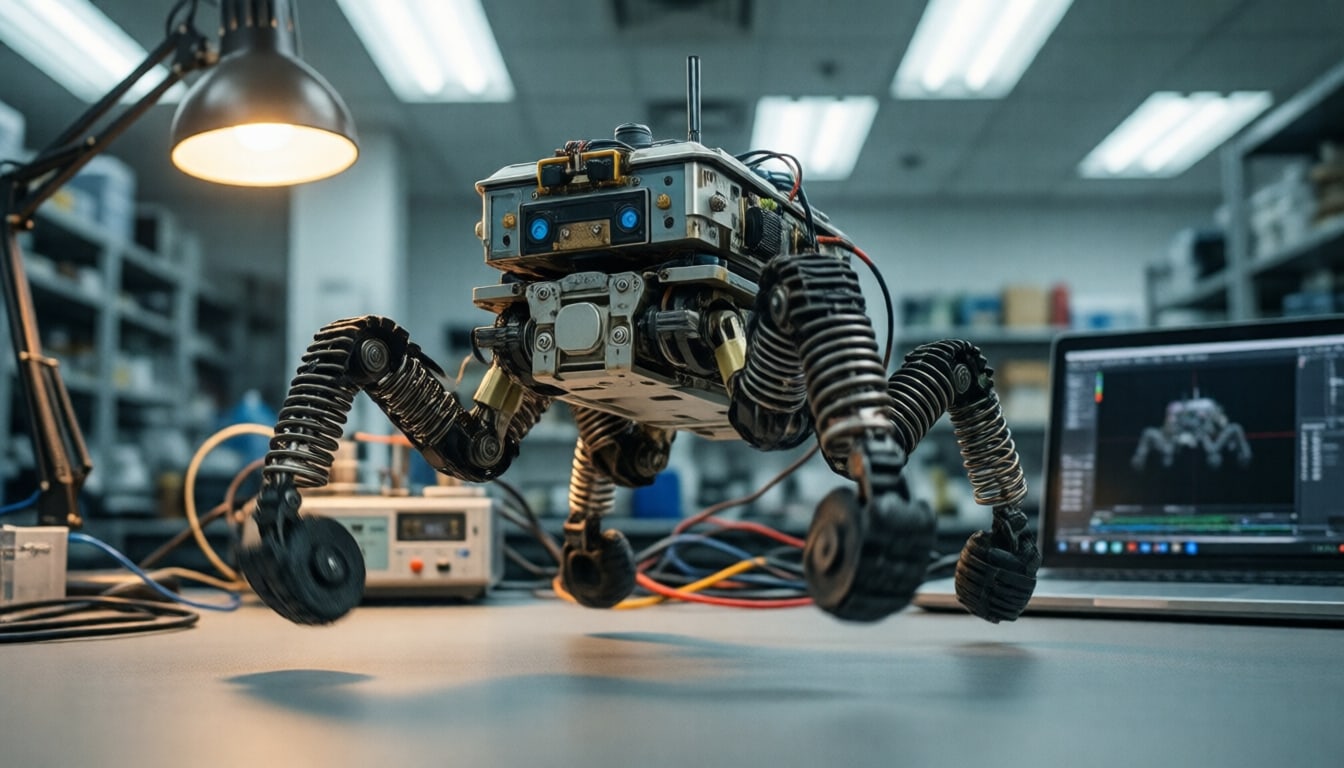
A preprint models a quadruped as a spring-loaded inverted pendulum and uses energy conservation to keep its bouncing gait stable — even with 10 % sensor error, in simulation.
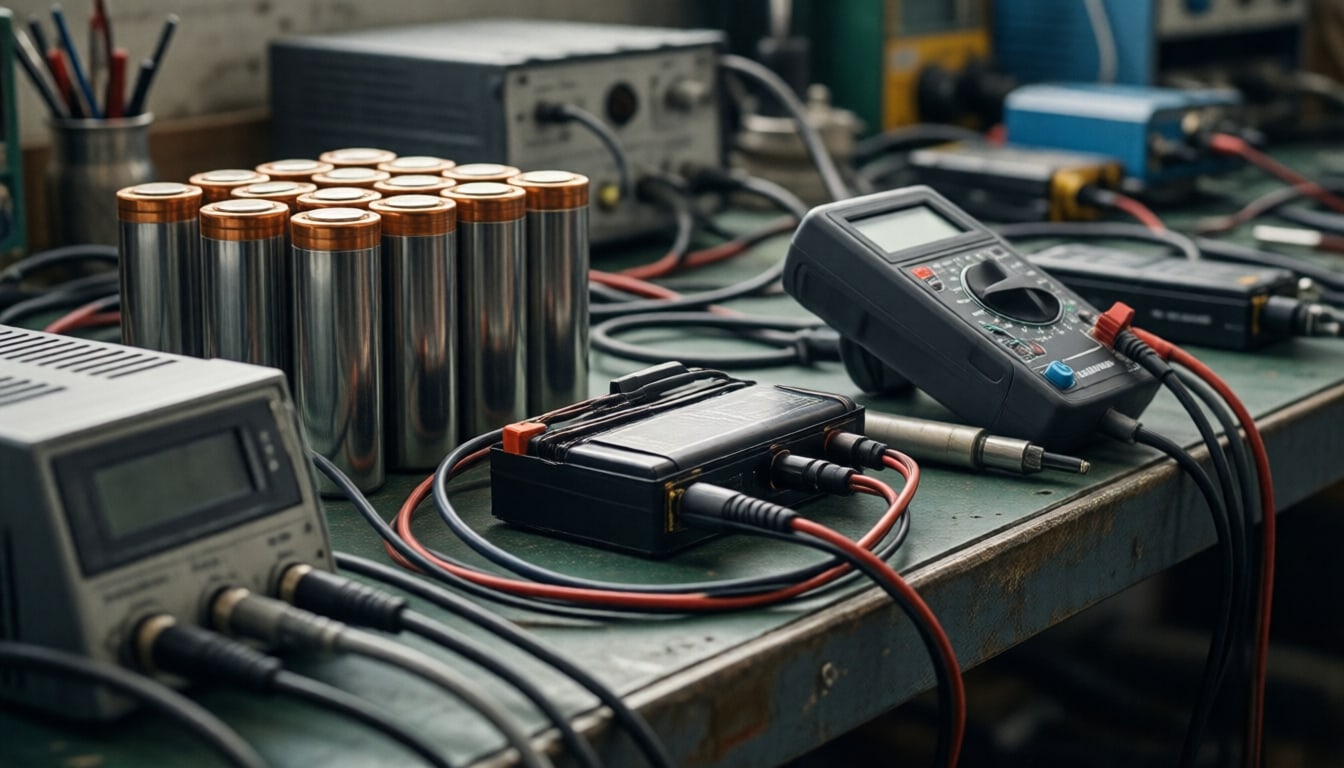
Ampere-hours tell you charge, watt-hours tell you energy, and the C-rate tells you how hard you are pushing the cells.
A gearbox cannot create power. It can only exchange speed for torque — minus a few percent lost in every mesh.
Researchers estimate each cell's state of health and charge in a 27-module second-life system — and find that treating modules as single lumps overestimates health by up to 31 %.
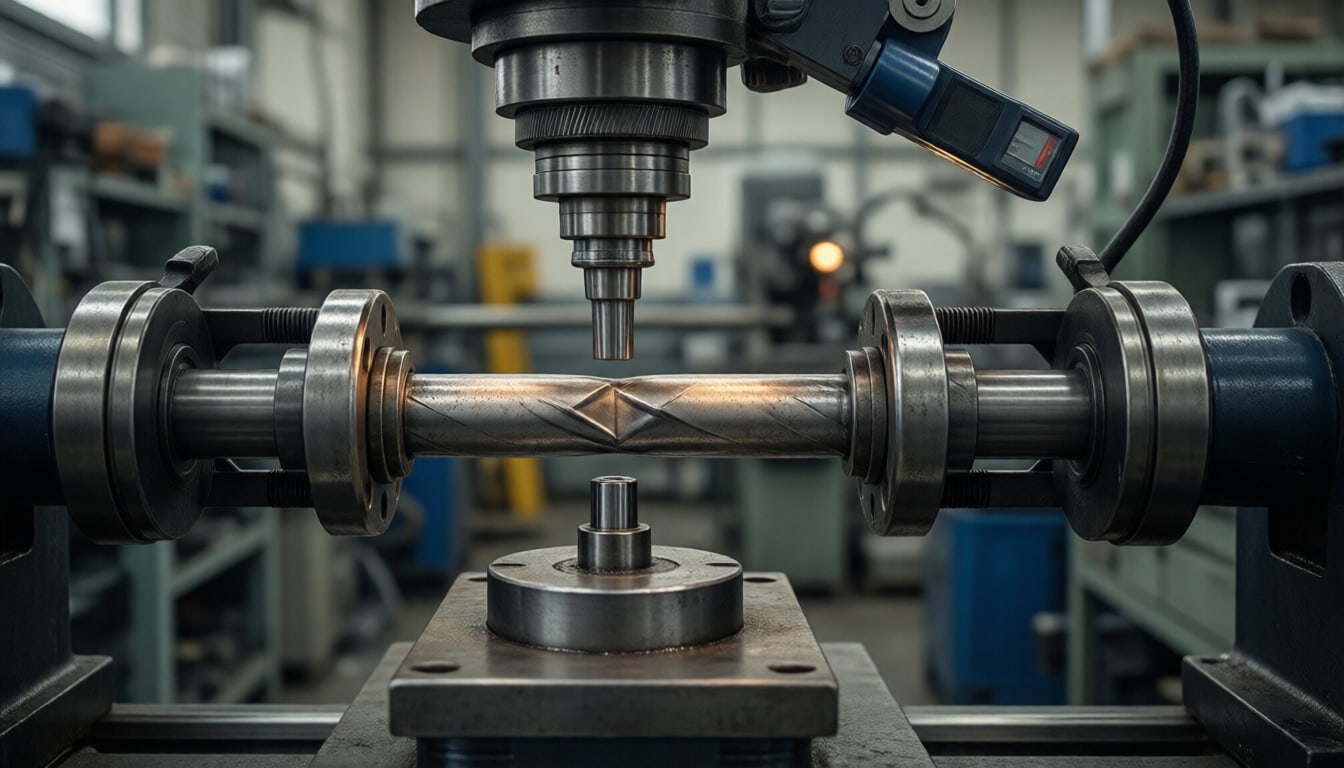
How hard a material is pushed, how far it gives, and the straight line that connects them — until it doesn't.
The cube of the span, the material's stiffness and the shape of the section — the three levers of every beam you will ever design.
Why water in a garden hose is turbulent, honey is not, and why it changes the pressure drop by a factor of several.
The most-used equation in electrical engineering is simple — and quietly wrong for half the components on your bench.