ROBOTICS
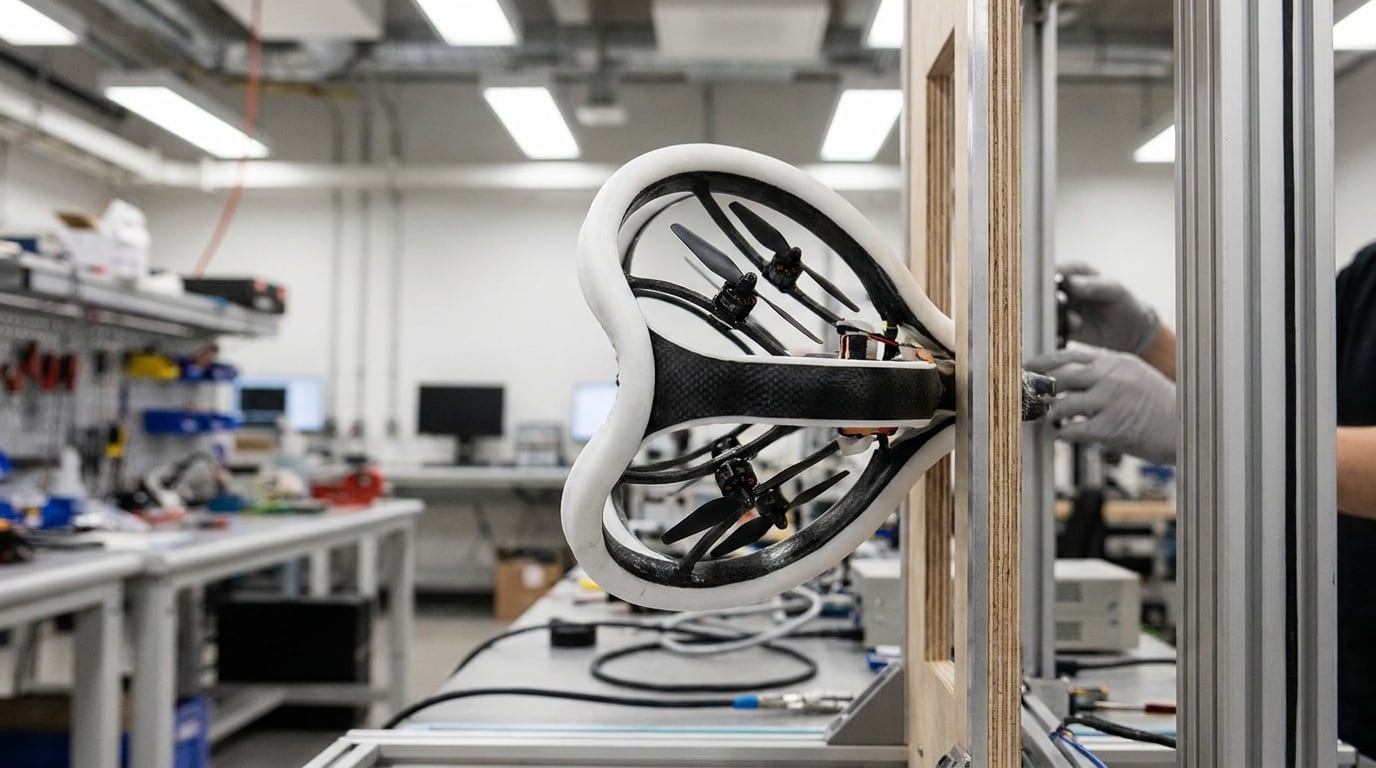
The 405 g prototype survived frontal impacts at up to 18 km/h without damage, squeezed through a 180 mm opening and lifted a payload heavier than itself.
Engineer Paper Desk · 22 Nov 2026
ROBOTICS
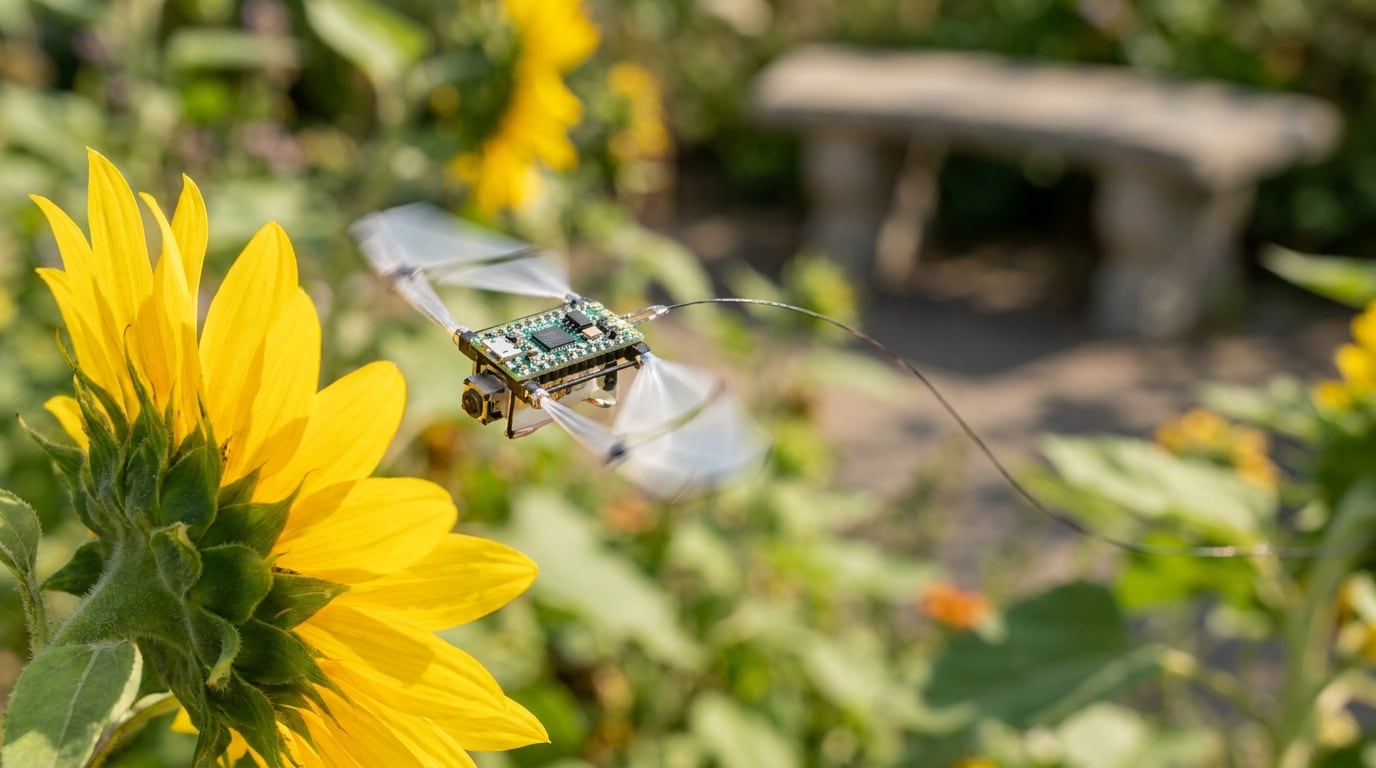
A 1.29-gram robot tracked trajectories with centimeter-scale accuracy and landed on a sunflower outside a motion-capture system, though it still drew power from offboard.
Engineer Paper Desk · 19 Nov 2026
ROBOTICS
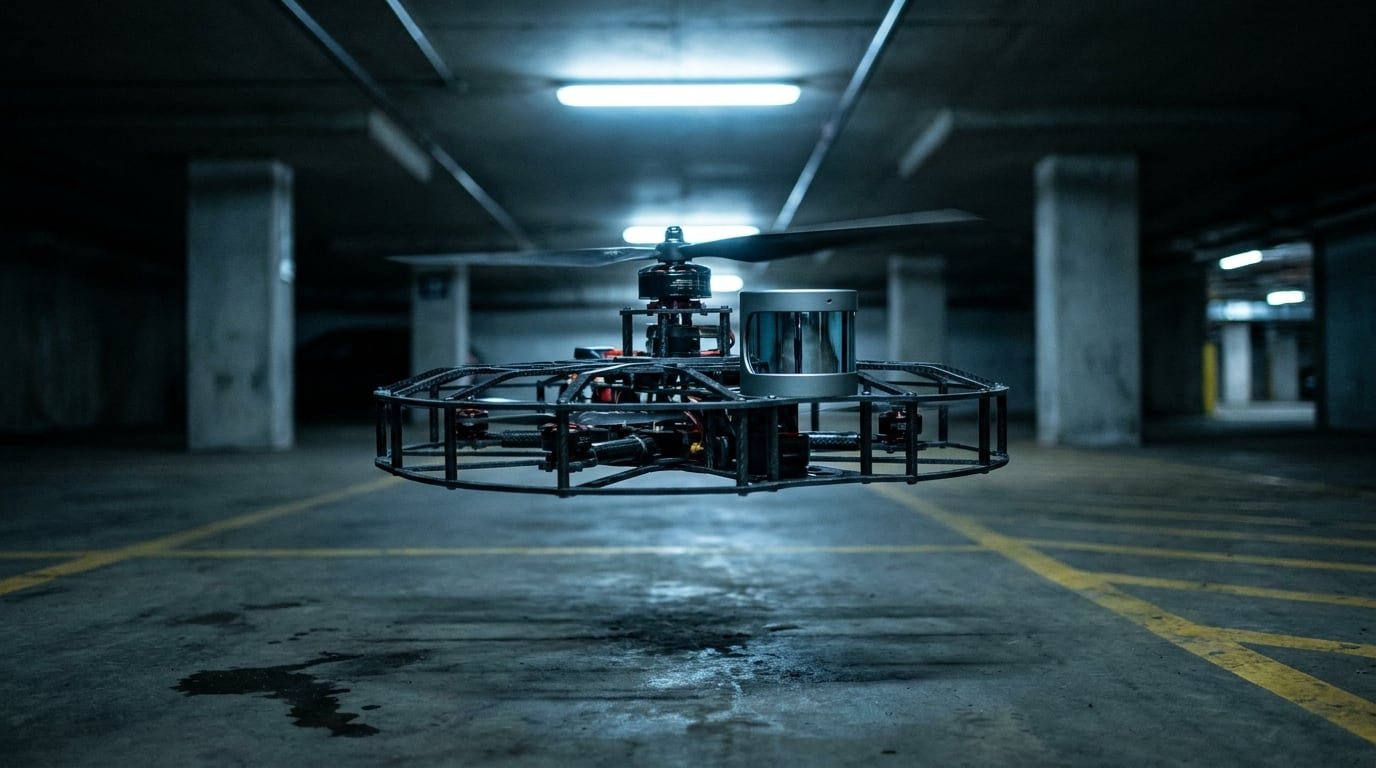
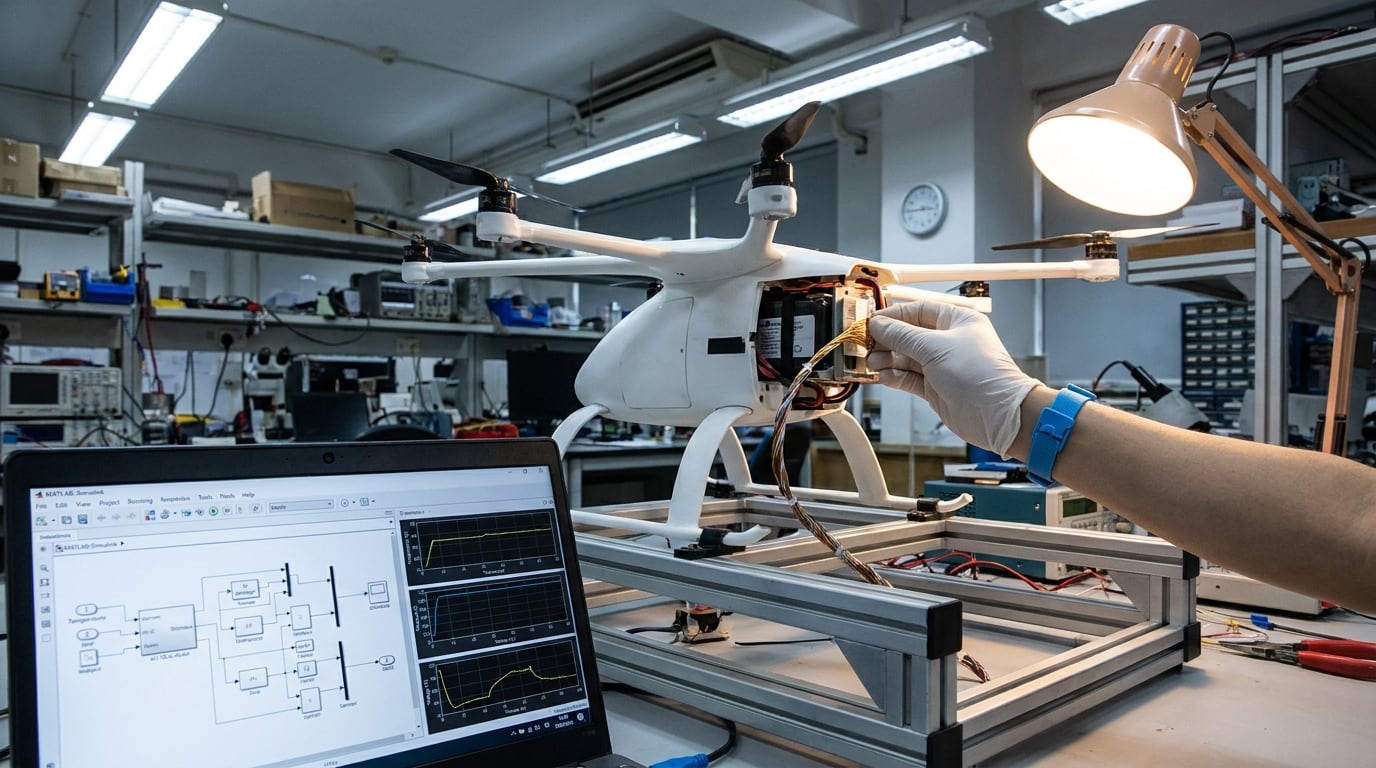
PULSAR II weighs about 1.12 kg, hovered for 15 minutes and 50 seconds, and flew through a forest and an underground car park at over 6 m/s without GPS.
Engineer Paper Desk · 18 Nov 2026
MATERIALS
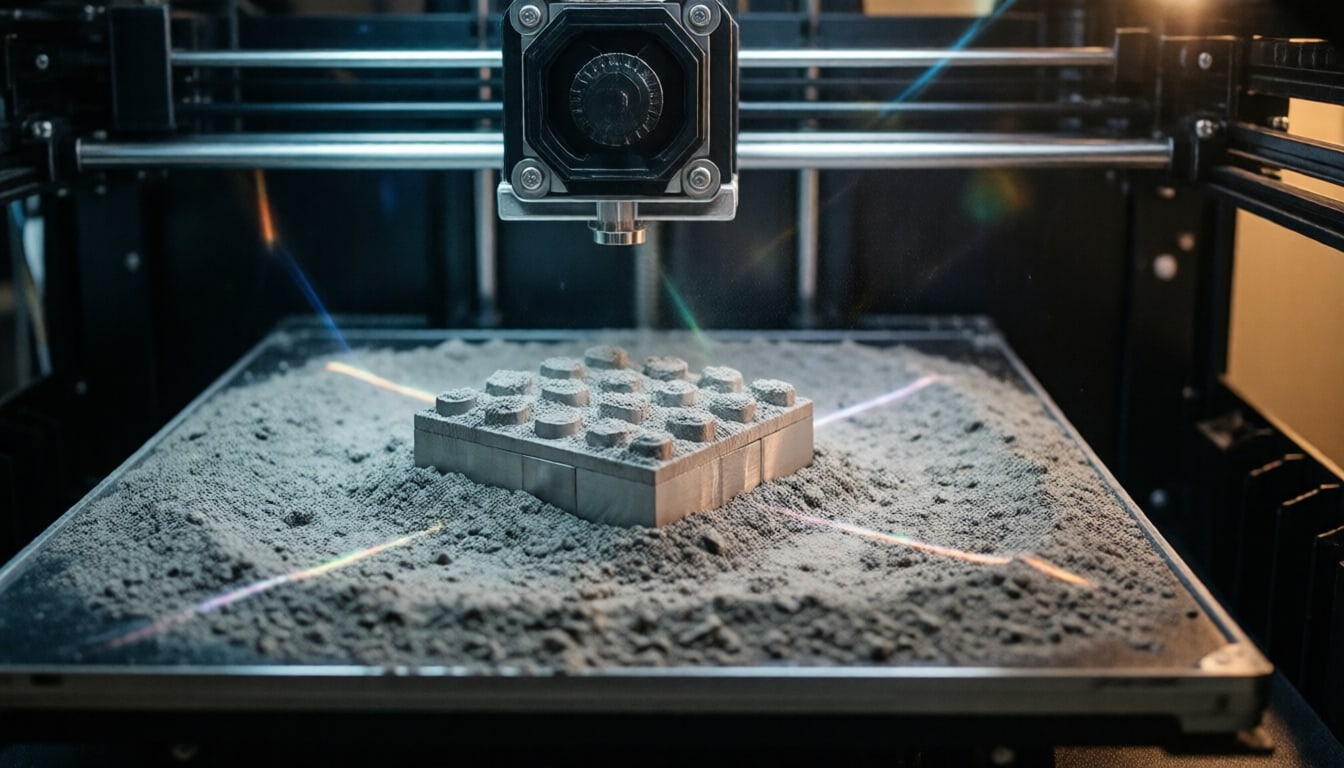
Laser powder bed fusion sintered Lunar Highlands Regolith Simulant into centimetre-scale Lego-like blocks with no binding agent, but the compressive strength is 3.4 MPa.
Engineer Paper Desk · 18 Nov 2026
SPACE SOLAR
Two tandem and one flexible perovskite module fly on separate satellites in a 535 km sun-synchronous orbit; Yanhe has not disclosed efficiencies, power outputs, areas or weights.
Engineer Paper Desk · 15 Nov 2026
ROBOTICS
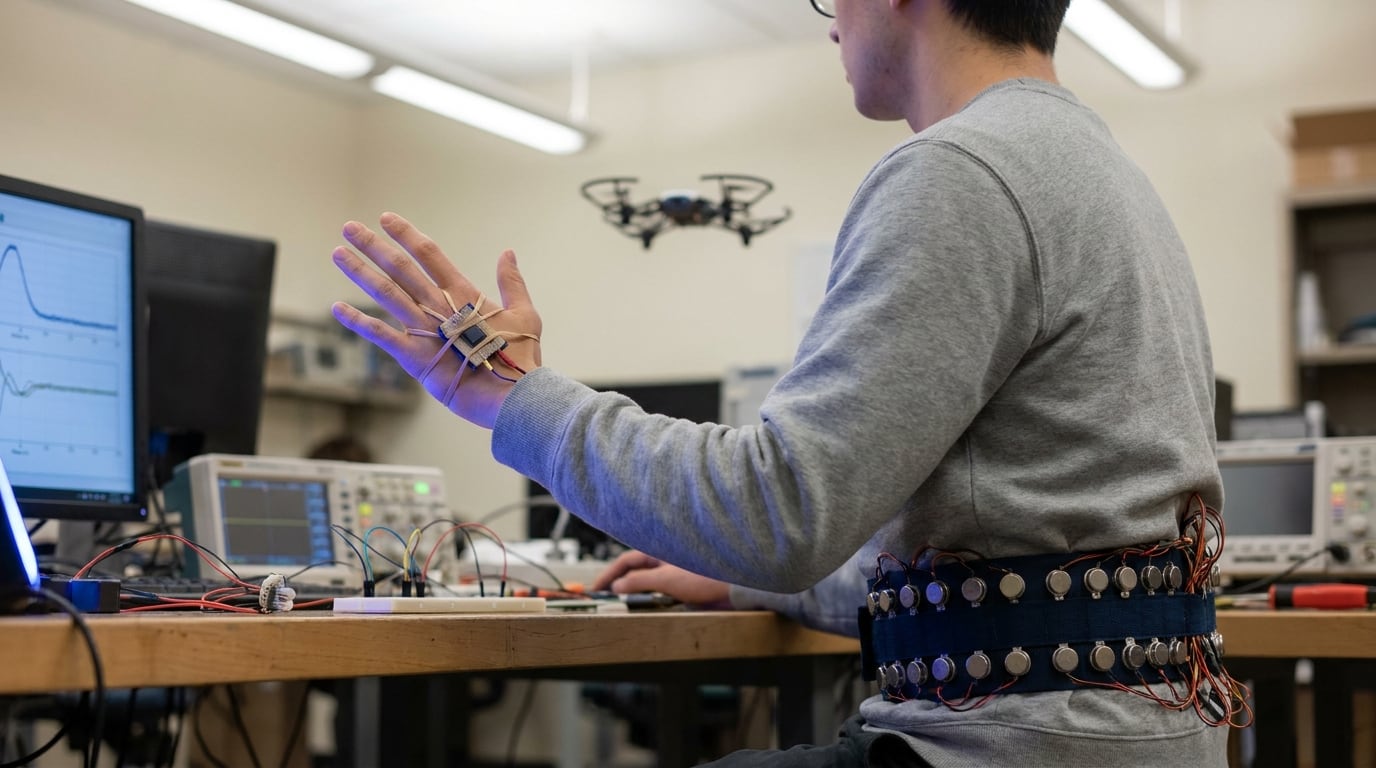
A hand sensor and a 36-motor belt let users fly a drone by touch alone. In real-drone tests one novice hit the target in eight of nine tactile-only trials.
Engineer Paper Desk · 13 Nov 2026
ROBOTICS
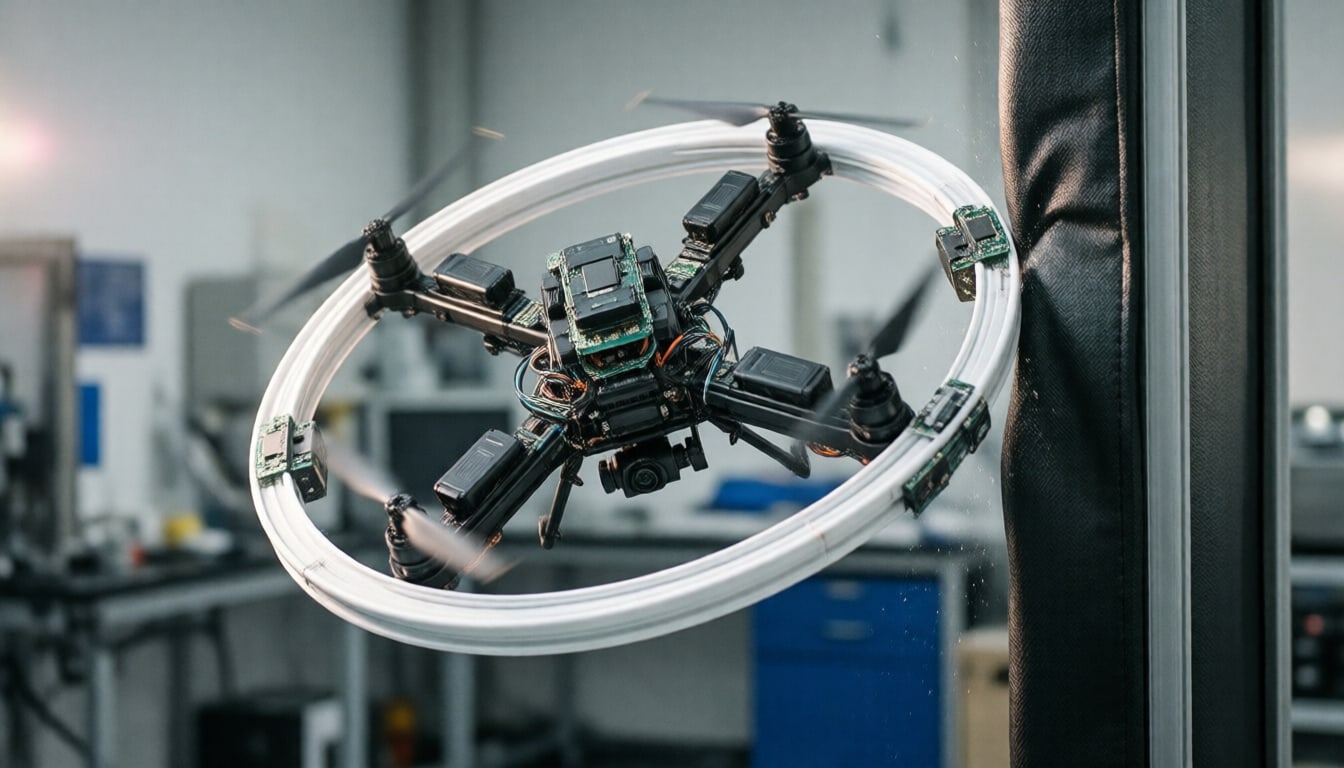
The ring-shaped drone flies at up to 80 km/h and continued flying after collisions at up to around 25 km/h, the researchers report.
Engineer Paper Desk · 12 Nov 2026
AEROSPACE
Seasonal thermal loads changed simulated energy use and range for the same aircraft on the same mission, with summer cooling taking about 16% of battery capacity.
Engineer Paper Desk · 10 Nov 2026
PHYSICS
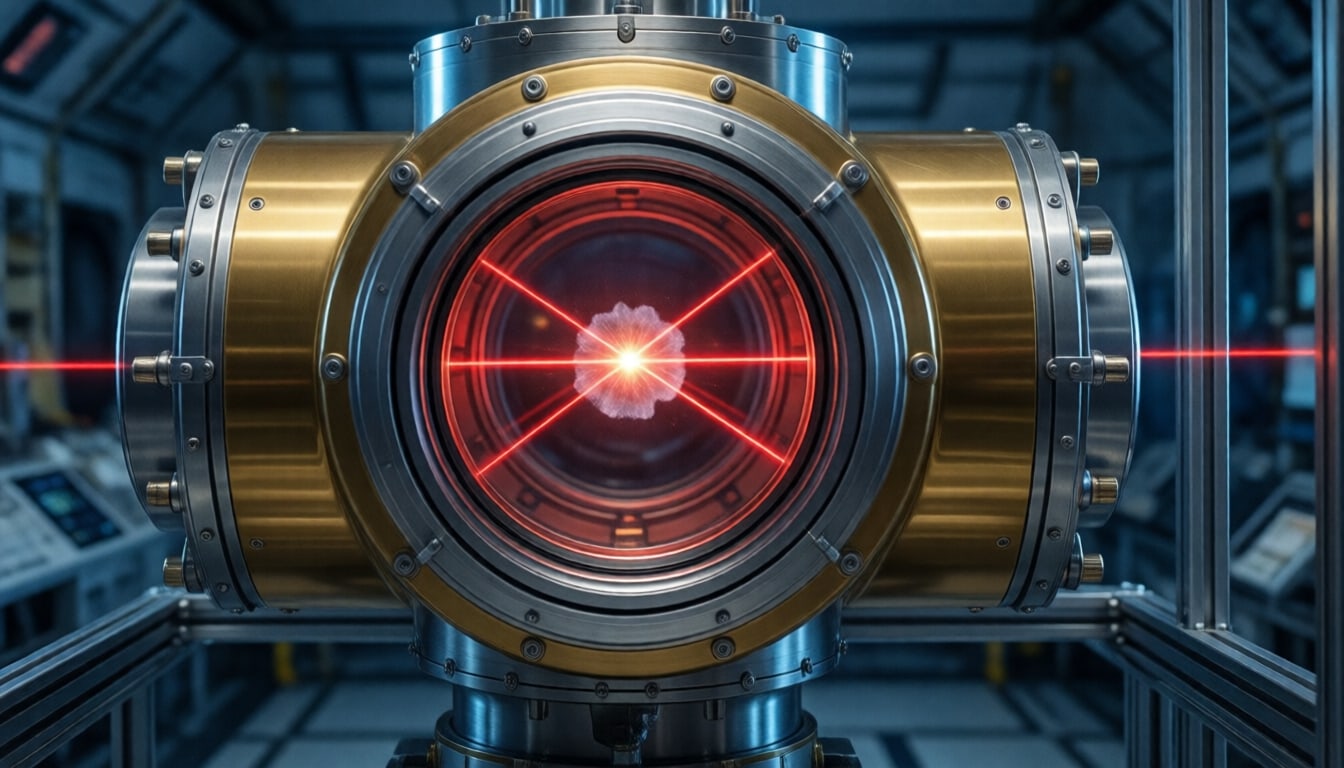
About 20,000 rubidium atoms in an optical trap on China's space station reached an equivalent temperature of 9.7 picokelvin, four times lower than the 2021 record of 38 picokelvin.
Engineer Paper Desk · 9 Nov 2026
AEROSPACE
The JAXA mission, launched on 20 October 2026, aims to deliver a 10-gram sample of the low-gravity moon to Earth in the second half of 2031.
Engineer Paper Desk · 7 Nov 2026
AEROSPACE
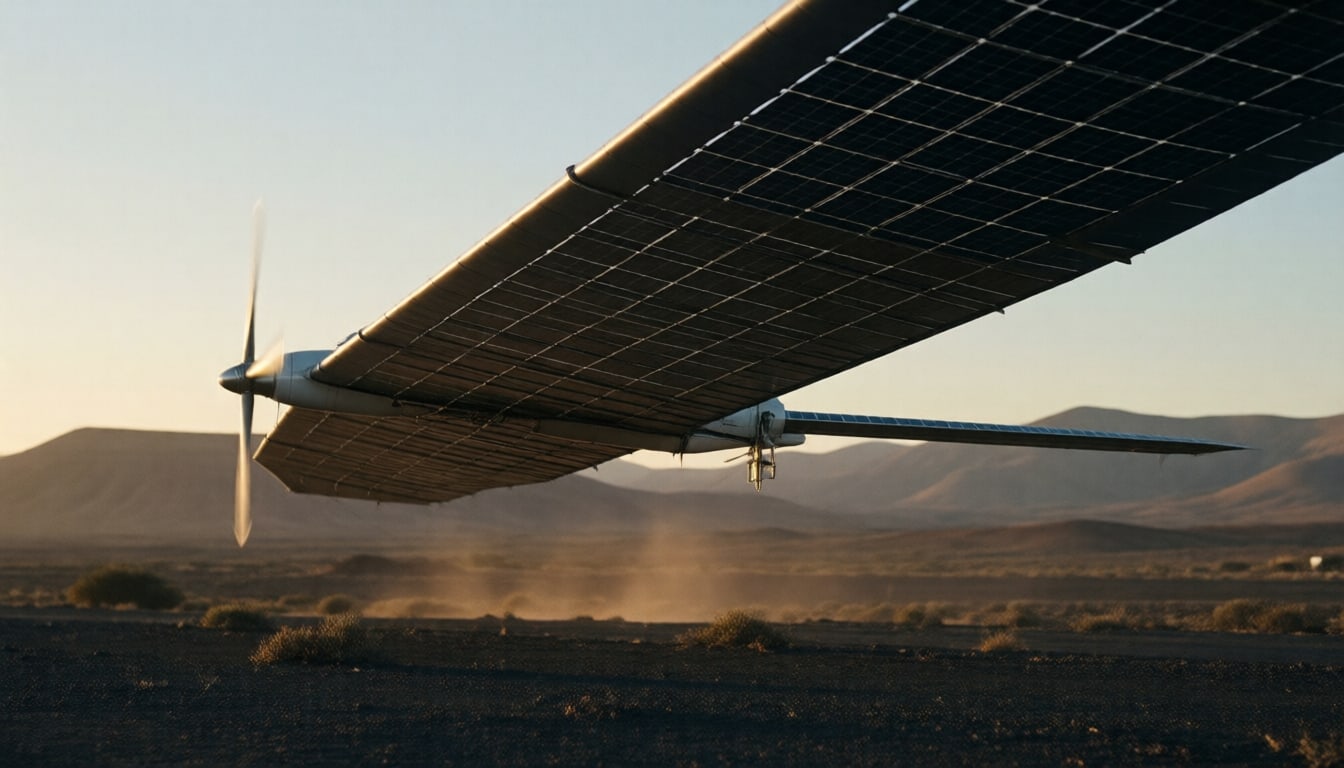
The 18-m-wingspan plane ran on stored sunlight through the night; UAVOS says a later flight has passed 80 hours with 100 as the goal.
Engineer Paper Desk · 7 Nov 2026
Video
Building and testing a drone that uses the Coanda effect.
Engineer Paper Desk · 4 Oct 2026
Video
The engineering behind the fastest air-breathing crewed aircraft.
Engineer Paper Desk · 4 Oct 2026
Space
SpaceX's fourteenth Starship flight became the vehicle's first orbital mission. One engine on each stage underperformed, and the flight ended early with a splashdown north of Hawaii.
Engineer Paper Desk · 28 Sept 2026