ENERGY
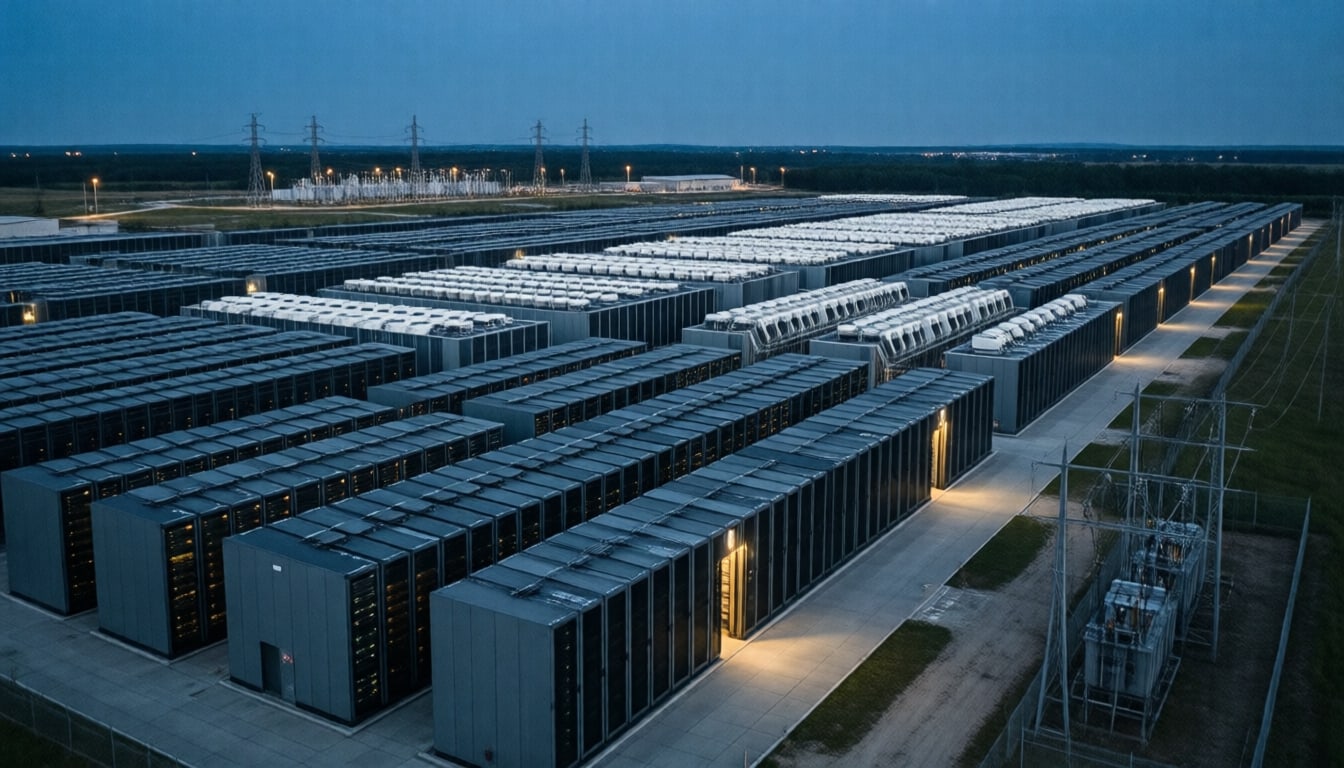
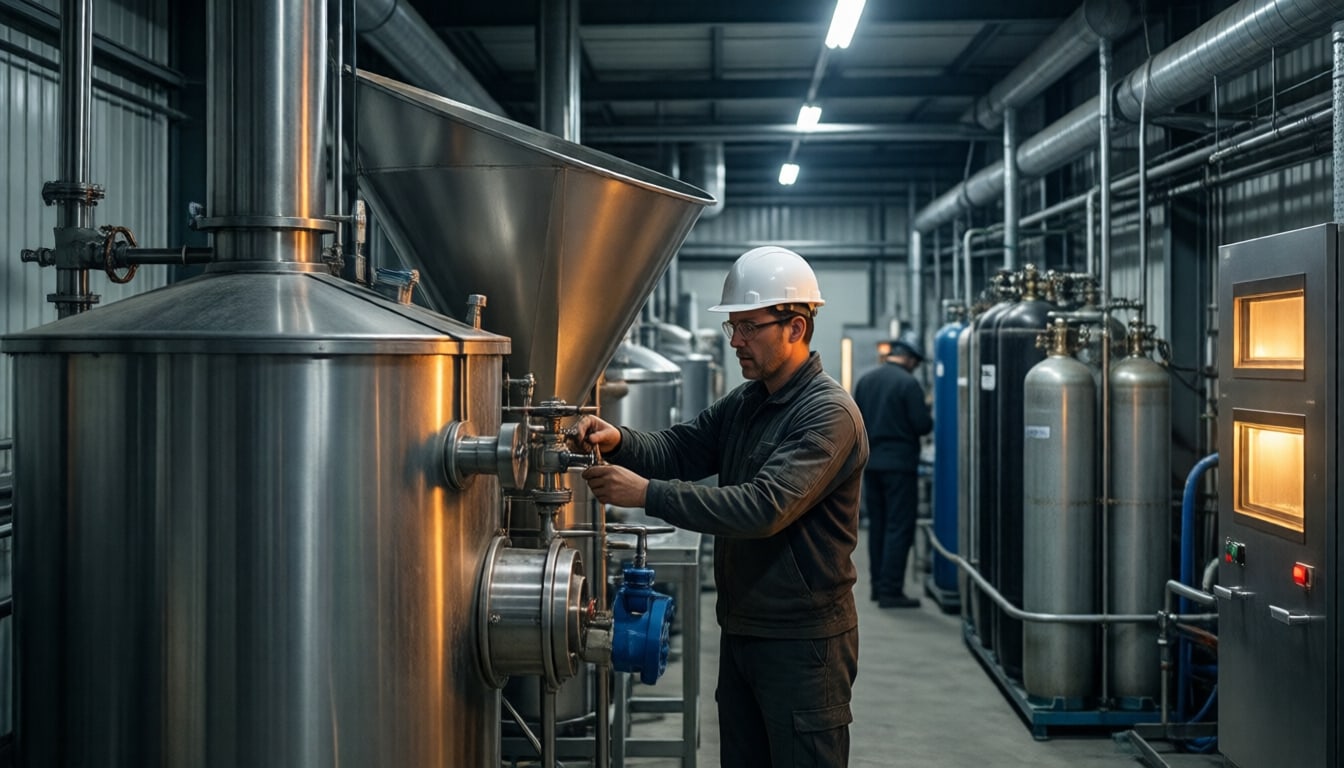
The centres used an estimated 82 terawatt hours of electricity and produced 25.7 million metric tons of CO2 in a year, more than Denmark's entire emissions.
Engineer Paper Desk · 17 Nov 2026
AEROSPACE
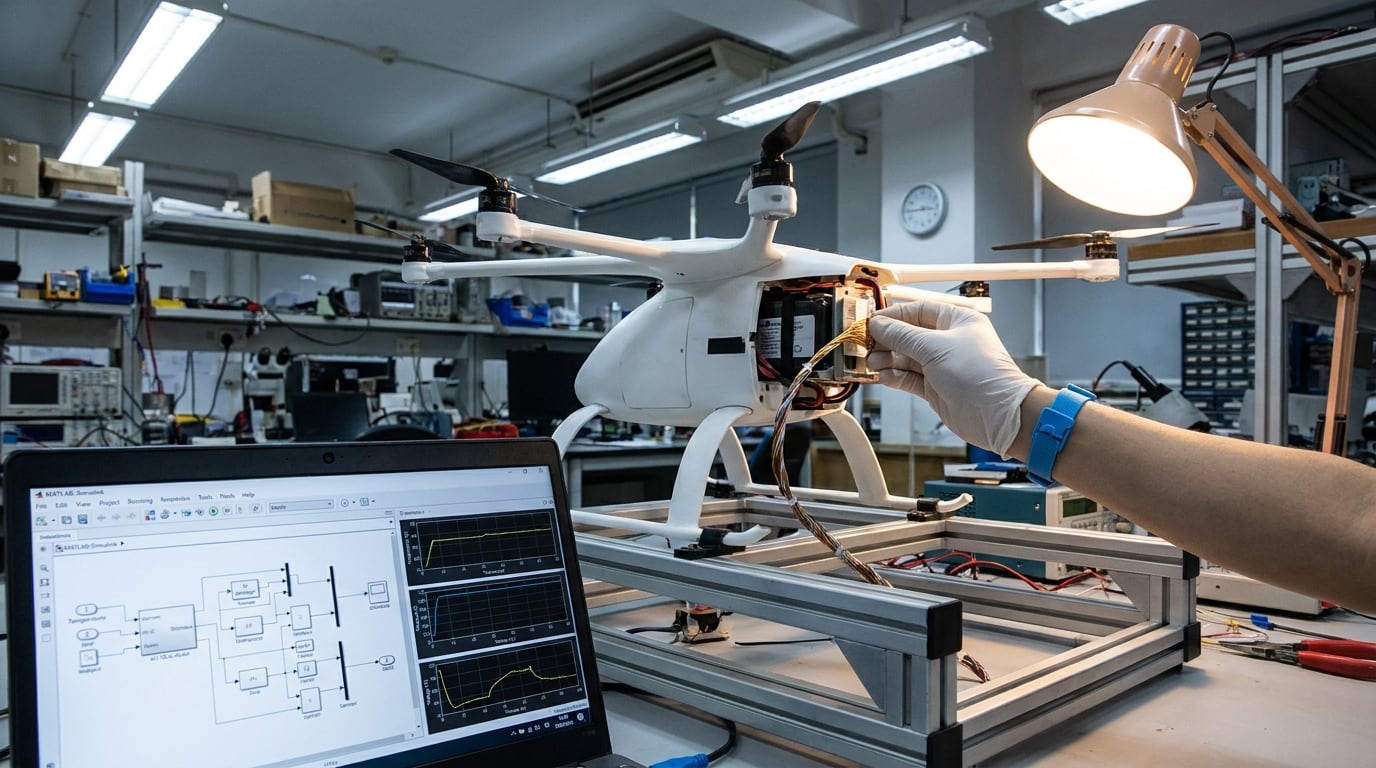
Seasonal thermal loads changed simulated energy use and range for the same aircraft on the same mission, with summer cooling taking about 16% of battery capacity.
Engineer Paper Desk · 10 Nov 2026
SEMICONDUCTORS
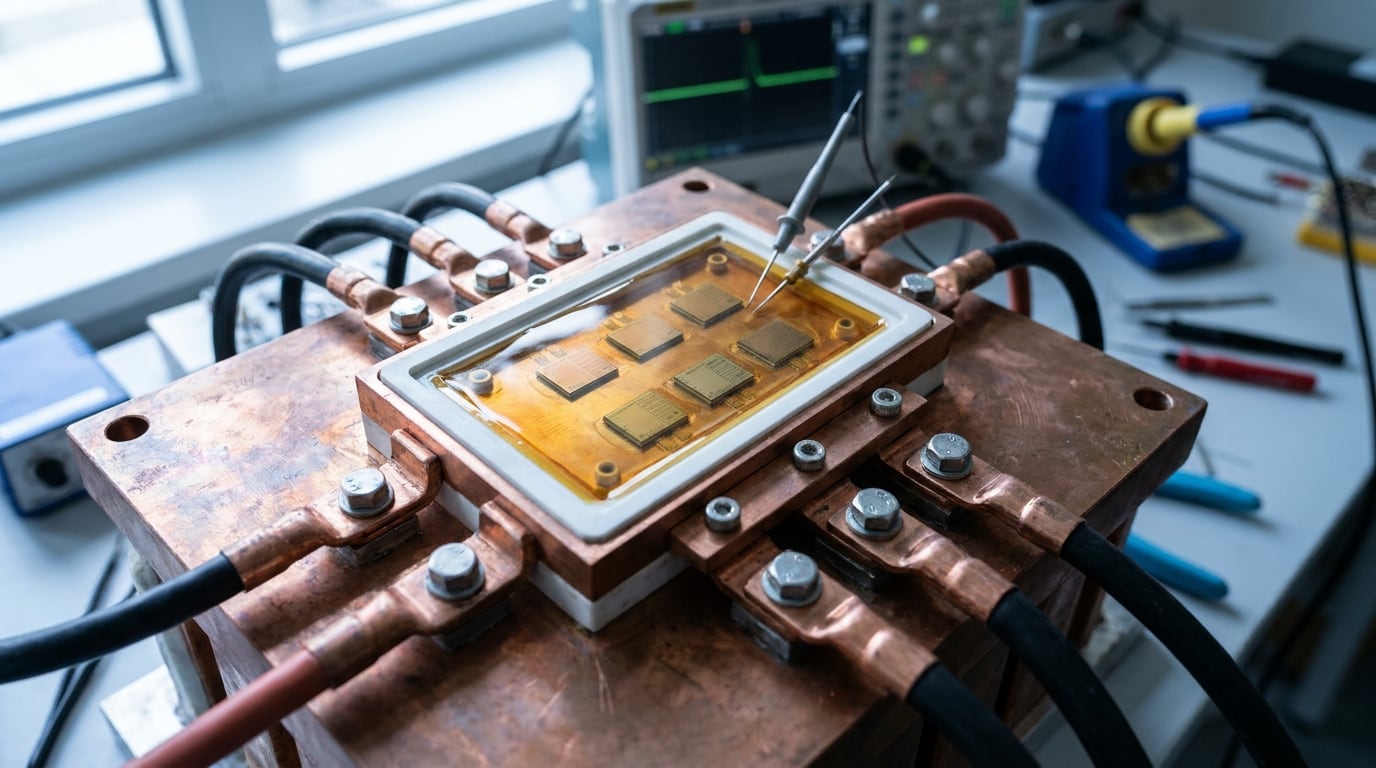
A six-chip gallium oxide module reached 1 MW peak power in pulsed switching, which the researchers say is more than two orders of magnitude above earlier ultra-wide bandgap devices.
Engineer Paper Desk · 10 Nov 2026
WATER
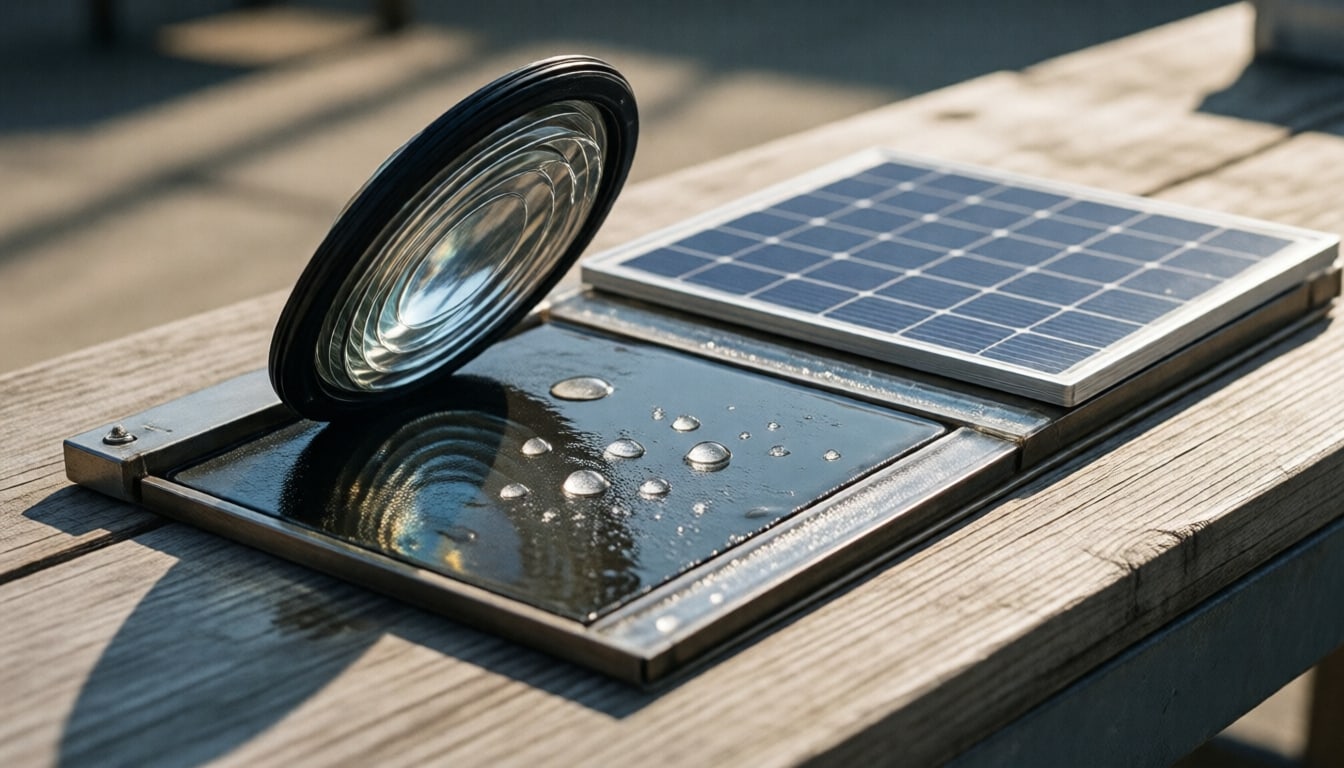
A portable solar-powered evaporator with a 30.72 cm2 surface purified seawater, oily, saline and acidic water in outdoor tests; the researchers say larger systems and longer testing are needed.
Engineer Paper Desk · 8 Nov 2026
ENERGY
A life-cycle assessment compared grid-powered and on-site-powered BECCS hydrogen systems; both could be net-negative, with on-site generation performing better under the study's assumptions.
Engineer Paper Desk · 7 Nov 2026
Technical paperNot peer reviewed
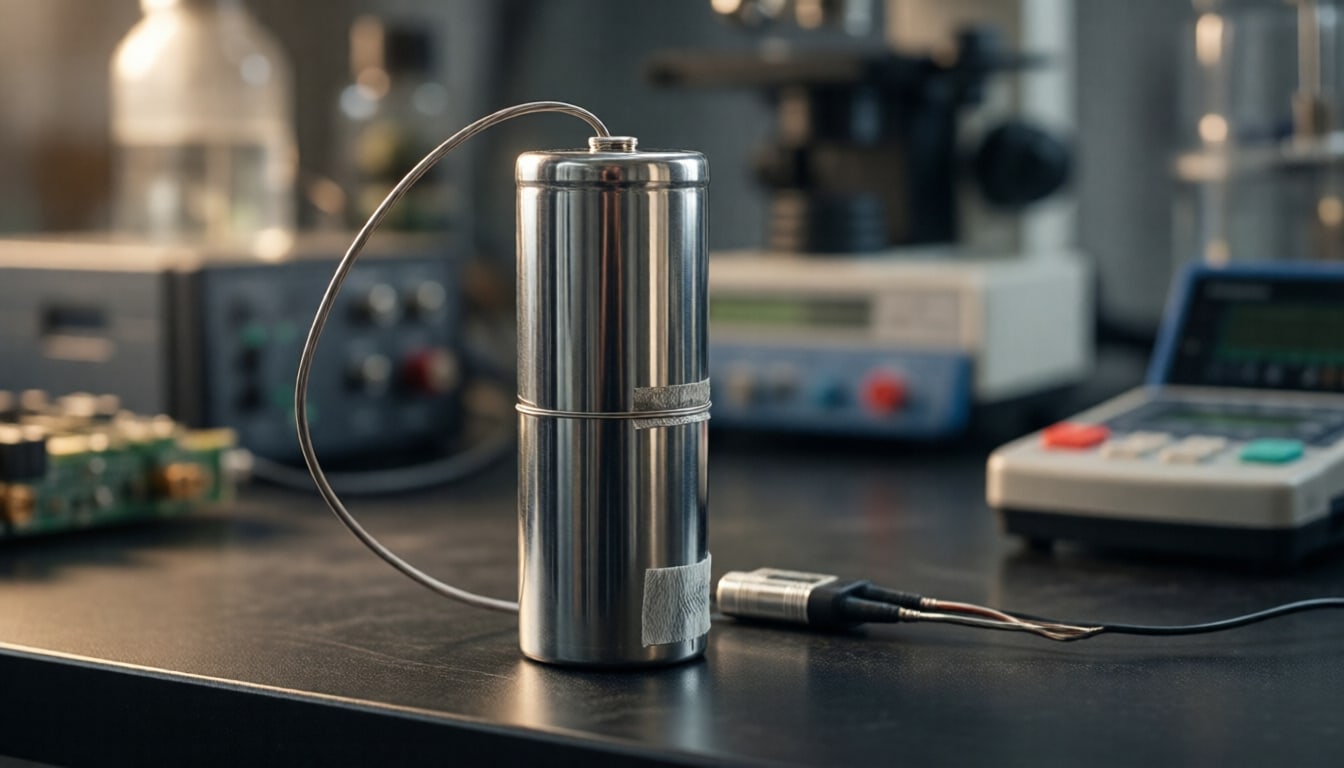
We derive the lumped thermal model used in many battery management systems, show how its two parameters set the steady-state temperature rise and the response time, and work through an illustrative cylindrical-cell example with Ohmic heating of 2 W. Steady state is reached after about five time constants; with an illustrative thermal resistance of 8 K/W and heat capacity of 70 J/K the cell settles 16 K above ambient with a time constant of 560 s. The model ignores internal temperature gradients and entropic heat, which we discuss as limitations.
Engineer Paper Desk · 4 Oct 2026
Explainer
Materials grow when they warm up. Let them, or the stress will find its own way out.
Engineer Paper Desk · 4 Oct 2026