What the study estimated
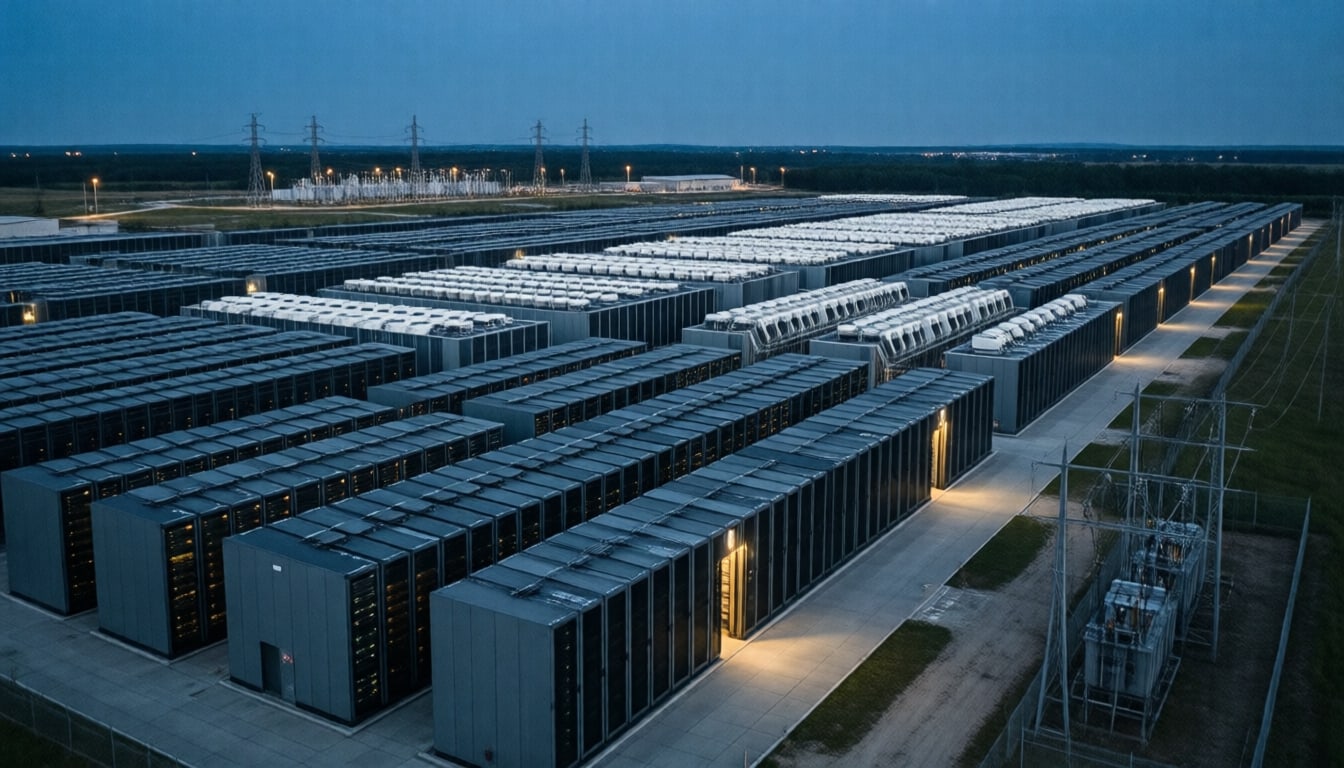
A Harvard-led team estimated the electricity use and carbon dioxide emissions of 403 of the largest data centres in the United States between May 2024 and April 2025, according to a study published in Nature Sustainability. The researchers report that the centres used an estimated 82 terawatt hours of electricity and that this produced around 28.3 million tons (25.7 million metric tons) of carbon dioxide.
More than half of that electricity came from fossil fuels, the study states. The authors estimate the emissions were two to three times what previous studies had shown. Senior author Francesca Dominici, a Harvard biostatistics professor, said the figure is equivalent to the CO2 emissions of an entire state such as Michigan or a small European country, according to Phys.org.
The findings are estimates built on modelling, not metered measurements from each facility. Several outside experts in climate, energy and artificial intelligence told Phys.org that the study's conclusions were realistic and that its use of modelling was reasonable because companies are not open about power consumption and pollution. Fengqi You, a Cornell University energy systems scientist who was not part of the study, said reliable measurements and disclosure are needed to manage environmental impacts.
How the estimates were built
Detailed figures for individual facilities are rarely available to the public, according to New Atlas. To work around this, the researchers checked commercial facility records against building footprints and satellite imagery to verify the locations of the 403 hyperscale data centres.
They then estimated power use by making assumptions about each site's capacity, including the electricity needed to cool the equipment and to keep the facility running continuously. Each facility was matched to the region responsible for balancing supply and demand on its part of the grid. Using US Environmental Protection Agency records from 2023, the team assigned each data centre a share of emissions based on the region's means of power generation.
New Atlas reports that the resulting range for the facilities' electricity use was between 68 and 99 terawatt hours in the year ending April 2025. On that basis, the centres would have accounted for 1.8 % of total US electricity consumption in that year. About 54 % of the electricity attributed to the facilities came from fossil fuels, with natural gas supplying around 38 % and coal 15 %. Virginia alone accounted for about a quarter of the electricity in the study; adding Oregon, Ohio and Iowa brought the four states to more than half.
The study also reports that each kilowatt-hour across the sample was associated with about 314 grams of carbon dioxide, below the comparable US average of 348 grams, yet nearly a quarter of the demand was found in grid regions with above-average carbon intensity.
How the figures compare
New Atlas reports that an earlier study put hyperscale electricity use at around 23 terawatt hours in 2018, less than a third of the new central estimate, though the studies used different facility inventories and methods, which limits the comparison to a broad sense of scale. Lawrence Berkeley National Laboratory estimated that US data centres of all sizes consumed 176 terawatt hours in 2023 and projected that figure could reach between 325 and 580 terawatt hours in 2028.
New Atlas reports that in 2025 the US had 1,156 data centres in operation, and that as 2026 comes to a close there are 1,860 running or under construction, making the study's electricity estimates somewhat obsolete already. Dominici said plans for 2,000 more data centres make the quantity more worrisome for the future.
Health effects and the COP31 pledge
New Atlas reports that a separate University of California, Riverside analysis modelled the health burden associated with data centre air pollution in California and estimated that it roughly tripled from 2019 to 2023, as the sector's electricity use in the state nearly doubled.
At the United Nations COP31 climate talks in Antalya, Turkey, negotiators launched a voluntary pledge for companies and countries to power the world's data centres with clean energy and to be more open about their power and water consumption and emissions, according to Phys.org. The 'Antalya Artificial Intelligence Pledge', launched by talks host Turkey and the International Telecommunication Union, says data centres should use clean power and efficient energy and water systems, and calls for AI systems to be designed and managed responsibly, with environmental impacts assessed and shared.
UN climate chief Simon Stiell said at the launch that claims about future emissions savings cannot excuse rising pollution now. Former US Vice President Al Gore, in an Associated Press interview, quoted a study by British economist Nicholas Stern predicting a 6 % to 9 % reduction in greenhouse gas emissions by 2030 from advanced AI finding more efficient uses of materials and energy. Caleb Max, president of the National Artificial Intelligence Association, said the fears about energy and water consumption from data centres may be overblown, while Climate Action Against Disinformation spokesman Philip Newell said the industry is selling hope while hiding the harms.
Waste heat as a heat source
The computing equipment in data centres generates waste heat that is vented into the atmosphere, and one approach to reducing their environmental impact is to capture that heat for nearby homes and businesses, according to Phys.org. The Danish engineering and manufacturing company Danfoss said waste heat is the world's largest untapped energy source and that reusing it can replace natural gas as a heat source; it identified data centres as a significant source of constant heat.
The International Energy Agency estimates data centres could provide enough heat for around 10 % of European homes by 2030 if that heat were fully integrated into district systems that supply heat and hot water to residents. Gregor Henze, a University of Colorado Boulder professor, said modern data centres that rely on liquid rather than air cooling are a fairly constant source of heat at the right temperature for thermal energy networks.
Phys.org also reports that industrial development firm BaRupOn is building an advanced manufacturing campus in Texas that plans to use recaptured heat to generate additional electricity on site, and is planning a data centre in North Dakota that could feed heat to the community, according to CEO Balaji Tammabattula. European Commissioner for Energy and Housing Dan Jørgensen said in remarks broadcast during COP31 that Europe must replace imported fossil fuels by capturing heat that is going to waste and tapping into geothermal.
Limits the sources report
The results could not distinguish between electricity used for AI services and electricity used for other computing tasks, according to New Atlas. The comparison with the 2018 figure is limited by different facility inventories and methods.
Technical fact box
- 403: number of large US data centres analysed, May 2024 to April 2025
- 82 terawatt hours: estimated electricity use of the centres (central estimate)
- 68–99 terawatt hours: estimated range of electricity use in the year ending April 2025
- 25.7 million metric tons: estimated CO2 emissions of the centres
- More than half: share of electricity from fossil fuels; natural gas around 38 %, coal 15 %
- 1.8 %: share of total US electricity consumption attributed to the centres
- 314 grams of CO2 per kilowatt-hour across the sample, against a US average of 348 grams
- 10 %: share of European homes data-centre heat could supply by 2030, per IEA estimate
Sources
- Assessing the carbon emissions and energy consumption of US hyperscale data centres — Nature Sustainability — Gianluca Guidi, Francesca Dominici, Tiziano Squartini et al.
- Study estimates magnitude of US data center pollution as climate talks unveil clean AI pledge — Phys.org (Technology)
- Assessing the carbon emissions and energy consumption of US hyperscale data centres — Nature Sustainability — Gianluca Guidi, Francesca Dominici, Tiziano Squartini et al.
- US data centers are burning through as much electricity as entire states — New Atlas
Other news outlets are named as sources but not linked.
Discussion
Technical questions and corrections are welcome. Comments are signed and checked before they appear.
No comments yet.
Sign in to add a typed review comment. Reviews are signed with your name.