What was installed and where
In July 2025, a Waffle House in Macon, Georgia, became the first real-world pilot site for an air-conditioning system co-invented by researchers at NLR and the startup Blue Frontier. The system is built around a technology NLR calls the Energy Storing and Efficient Air Conditioner, or ESEAC.
That month, peak temperatures in the area were around 92 degrees Fahrenheit (33 degrees Celsius). The kitchen, where cooks fried patty melts, hash browns and waffles on an oil-slick grill, could feel as hot or hotter. Within minutes of the machine starting, cooks came out and asked what the technicians had done. They said it was the first time they were not sweating in the middle of summer.
How the salt-based system works
More than half of the energy consumed by air conditioners goes to dehumidifying air, according to the source. Conventional systems often overcool a room just to reach a comfortable humidity level, then must heat it back up to the desired temperature.
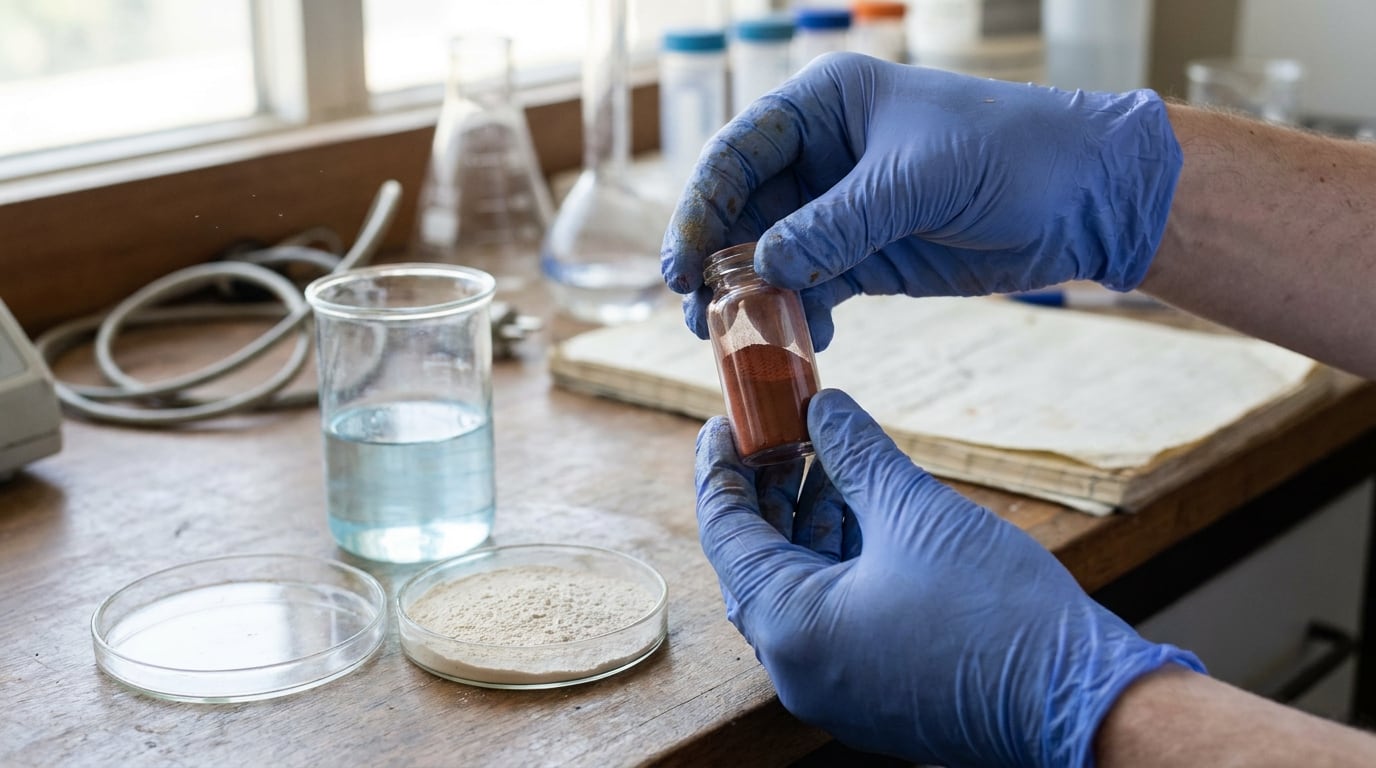
The ESEAC system instead uses a salt-based liquid to pull moisture from the air, in the same way table salt absorbs water and clumps on humid days. The heat from that now-dry air is then pulled into an adjoining heat exchanger, a device that can move heat energy from one medium to another. There the air is chilled using evaporative cooling: as water evaporates, the air's temperature falls to a comfortable level, in the same way sweat evaporating from skin helps cool the body.
When the salt solution becomes too diluted to absorb any more water vapour, the system uses heat to evaporate some of the water and reconcentrate the salty liquid. The salt-and-water system needs little electricity — just enough to power a fan and small pumps — and consumes less energy as temperatures rise, according to the source.
The add-on that lets the system store energy
An add-on invented by the NLR researchers, called an Electrically Driven Desiccant Regenerator, removed the need for heat from a fuel cell and instead uses the hot side of the refrigeration cycle to reconcentrate the salt solution. That reconcentration can happen at any time, so the system can be recharged at night or during other periods of low electricity demand, when prices are low.
Eric Kozubal, a senior engineer at NLR and one of the system's co-inventors, is quoted as saying the new invention transformed the air conditioner into one that consumes 90% less electricity at peak and 50% less year-round, and that it can be recharged like a battery, consuming electricity when it is cheap. Kozubal described the overall approach as a complete rethinking of how to condition air.
What the pilot measured
The Macon pilot is described as successful both for the cooks and statistically. The system consumed 40% less energy than the building's previous air conditioner and cut operating costs by 65%, in part because of an 89% reduction in power use during peak grid hours, when electricity costs are highest.
From prototype to installed product
Blue Frontier's founder and chief executive, Daniel Betts, first licensed the NLR technology to build an air conditioner that ran on the heat from a fuel cell, and launched a startup called Be Power Tech Inc. He shut it down four years later, saying the idea required two new technologies — fuel cells and the NLR air-conditioning technology — to work together, and that double newness can mean double the risk, which can make investors nervous.
Betts returned to Kozubal and Woods at NLR, and together they found a way to turn the original invention into an air conditioner that could power up when power is cheapest or most convenient. Betts licensed the technology again and founded Blue Frontier. He credits NLR's engineering rigour with helping confirm the idea could work and with boosting investor confidence, which brought in grants.
The source states that Blue Frontier has installed its air conditioners at a U.S. Army base in Georgia and an air reserve base in Massachusetts, an IMAX theater at the Museum of Discovery and Science in Florida, and at educational campuses, health care centres, restaurants and grocery stores.
Open questions the company faces
The source notes that the leap from prototype to product raises new questions, including how much it would cost to manufacture the system and whether the company can turn a profit. Betts is quoted as saying that without that, a company is not a real business.
Technical fact box
- 40 % — lower energy use than the building's previous air conditioner in the Macon Waffle House pilot
- 89 % — reduction in power use during peak grid hours in the same pilot
- 65 % — lower operating costs in the same pilot
- 90 % — lower electricity consumption at peak claimed by NLR co-inventor Eric Kozubal for the system with the Electrically Driven Desiccant Regenerator
- 50 % — lower electricity consumption year-round claimed by Kozubal
- 92 degrees Fahrenheit (33 degrees Celsius) — approximate peak temperatures in Macon, Georgia, in July 2025
- More than half — share of air-conditioner energy consumption that goes to dehumidifying air, according to the source
- July 2025 — month the first real-world pilot was installed
Sources
- Georgia Waffle House cuts cooling energy use by 40% with new salt-based AC system — Phys.org (Technology)
Discussion
Technical questions and corrections are welcome. Comments are signed and checked before they appear.
No comments yet.
Sign in to add a typed review comment. Reviews are signed with your name.