A 70 kWh battery could eliminate 122 hours of grid export-limit violations and save more than €20,000 a year in grid connection costs, a modelled shared-connection scenario finds. Researchers in the Netherlands built an optimisation model to size and operate battery storage in solar-powered apartment buildings, and report that shared grid connections could significantly improve the economics of storage.
The study used real operational data from a 58-apartment building in Utrecht, according to corresponding author Simone Coccato. He told pv magazine that a key contribution is showing how grid connection configurations and network tariffs can influence the economic value of batteries.
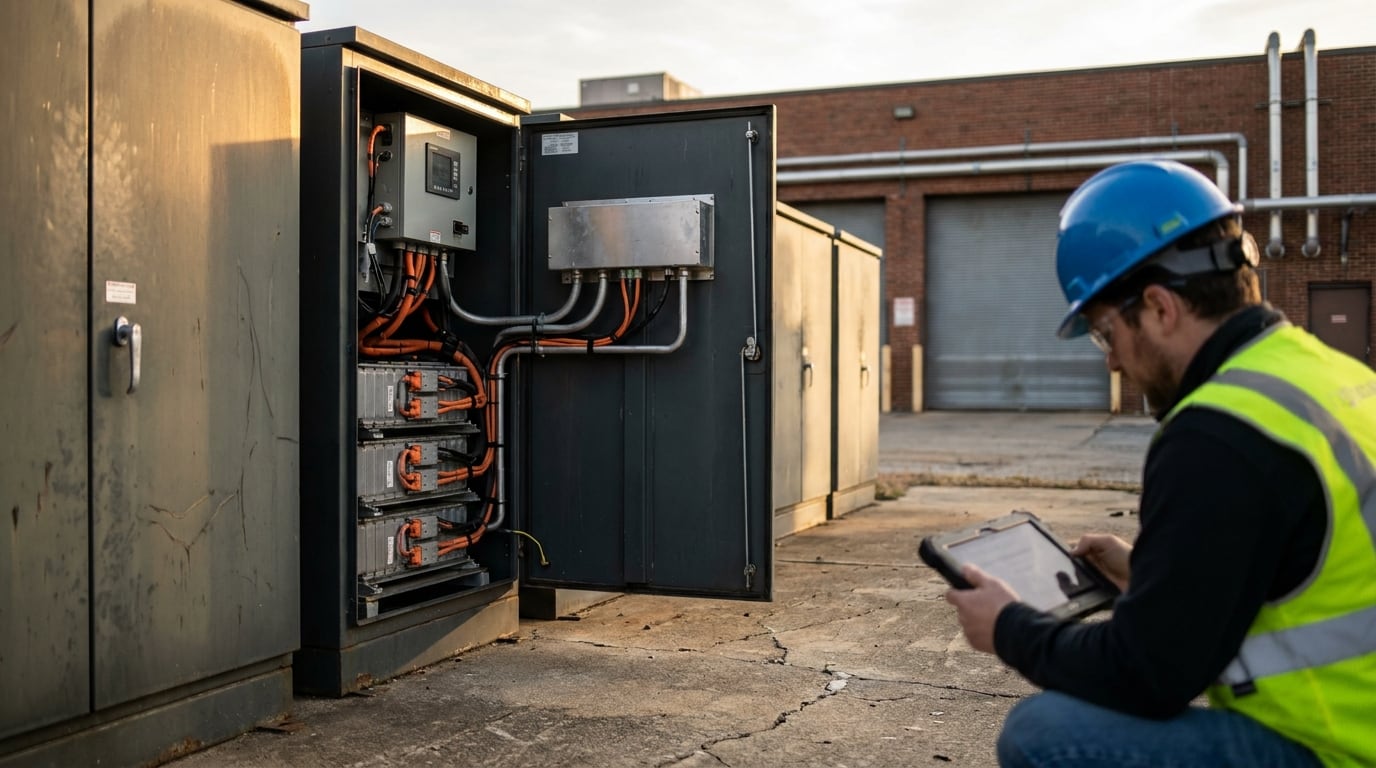
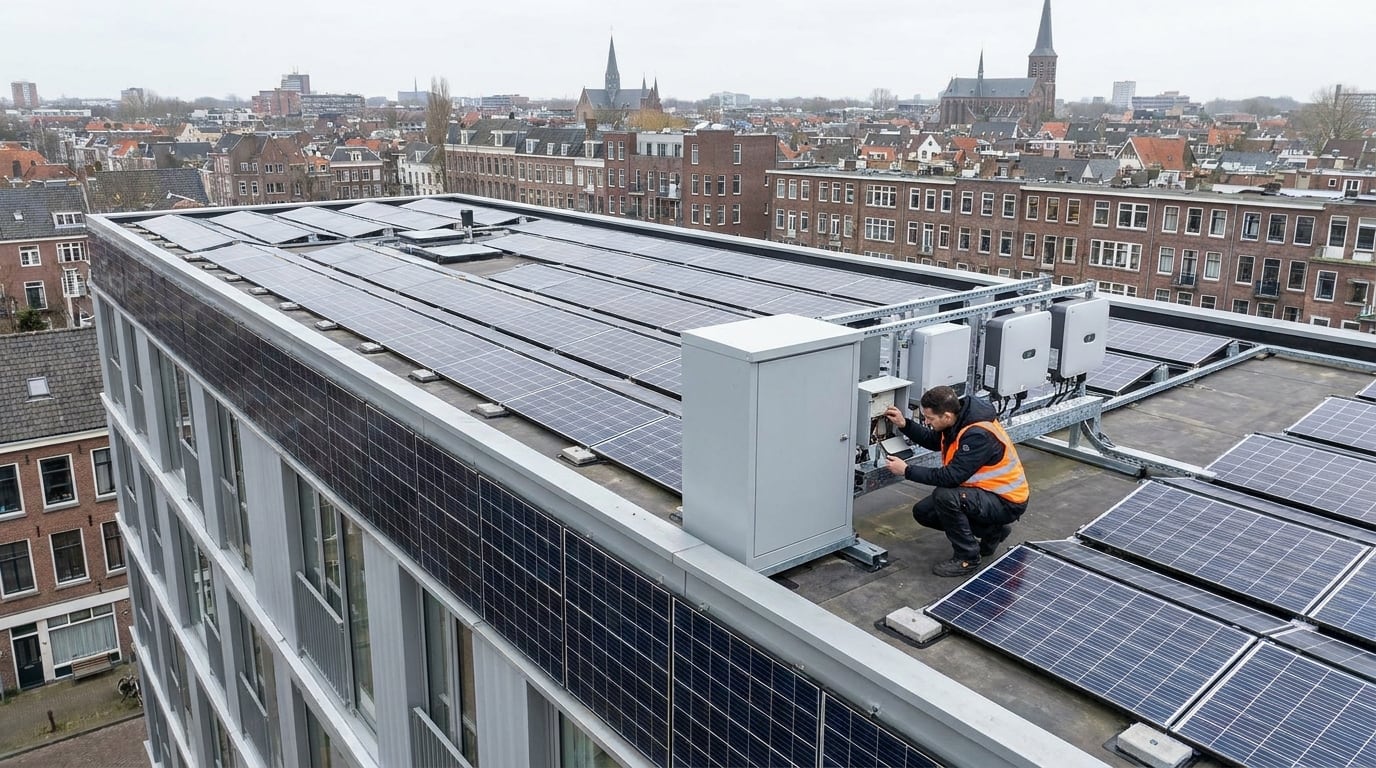
The case building has 356.6 kW of rooftop and building-integrated facade PV capacity. Its 70 kWh of battery storage sits in two 35 kWh units serving shared facilities including heat pumps, elevators and common utilities. Each apartment keeps an individual grid connection. In 2022 the building consumed 200 MWh of electricity and generated 255 MWh from its PV systems, the researchers report.
The team compared the existing configuration with a hypothetical one in which apartments and shared facilities operate under a single grid connection with import and export limits of 110.4 kW, allowing the batteries to serve the whole building.
Coccato said optimising the existing battery operation could also increase solar self-consumption by more than 15 percentage points compared with its default control strategy.
Under the hypothetical shared-connection scenario, the economically optimal battery capacity was approximately 280 kWh, delivering a net annual benefit of €32,829 and a payback period of 1.7 years, according to the results. The existing 70 kWh system achieved a modelled net annual benefit of €25,297 and a payback period of approximately 0.55 years.
The findings were presented in "Unlocking flexibility in buildings through batteries: a case study of the Netherlands," published in Applied Energy. The research team included scientists from Utrecht University and building energy systems developer Inside Out Technologies. Coccato said the team is now extending its research to clusters of residential buildings operating as virtual power plants, investigating how coordinated batteries can reduce grid congestion, improve renewable energy integration and provide flexibility to electricity markets.
Key facts
- 70 kWh of battery storage in two 35 kWh units serving shared facilities
- Hypothetical shared connection with import and export limits of 110.4 kW
- 70 kWh battery could eliminate 122 hours of grid export-limit violations in the modelled shared-connection scenario
- Modelled optimal battery capacity of approximately 280 kWh with a payback period of 1.7 years
Sources
- Shared grid connections could improve bankability of residential solar-plus-storage systems — pv magazine
Other news outlets are named as sources but not linked.
Discussion
Technical questions and corrections are welcome. Comments are signed and checked before they appear.
No comments yet.
Sign in to add a typed review comment. Reviews are signed with your name.